Employment
Women Employed
The Fry Foundation “…has been a critical partner in our systems change work—work that often takes decades to do. The Fry Foundation stands alongside us and learns with us as we try things and pivot when we learn something new. The Foundation’s support ensures we see our work through not only the planning but also the implementation, so that we improve circumstances for women seeking work.”
Cherita Ellens, President and CEO, Women Employed

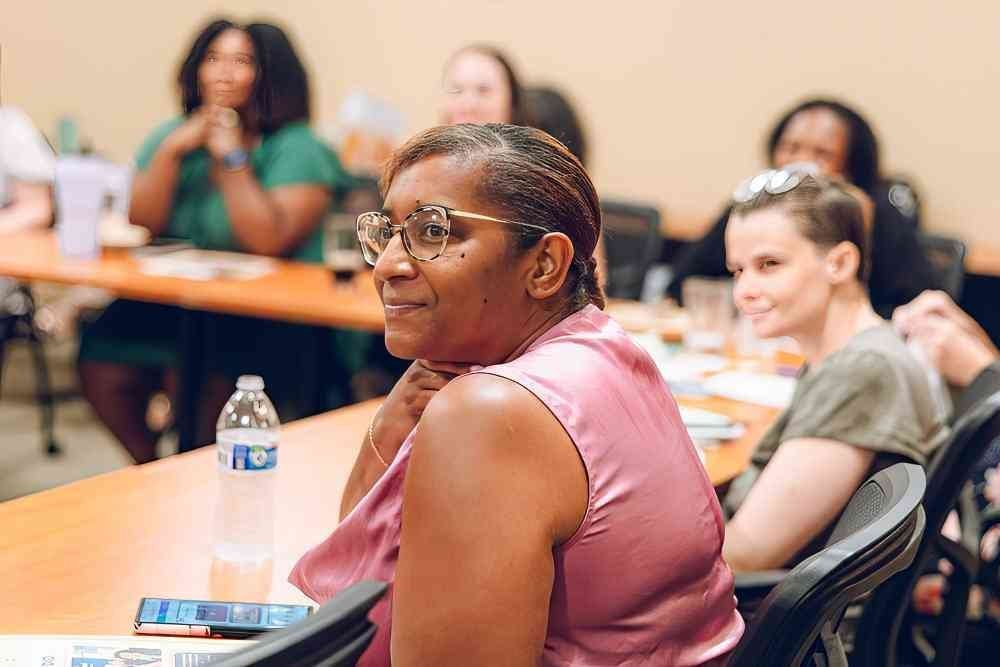
Finding work is hard enough. For women in low-paid jobs, it’s even harder to find good-paying careers—and more difficult still to advance in their careers. “Women deserve fair and unrestricted access to economic opportunities,” says Cherita Ellens, President and CEO, Women Employed.
Founded in 1973, Women Employed (WE) advances opportunity and equity for women in the workplace by expanding educational access, pursuing effective policies, and advocating for fair workplaces.
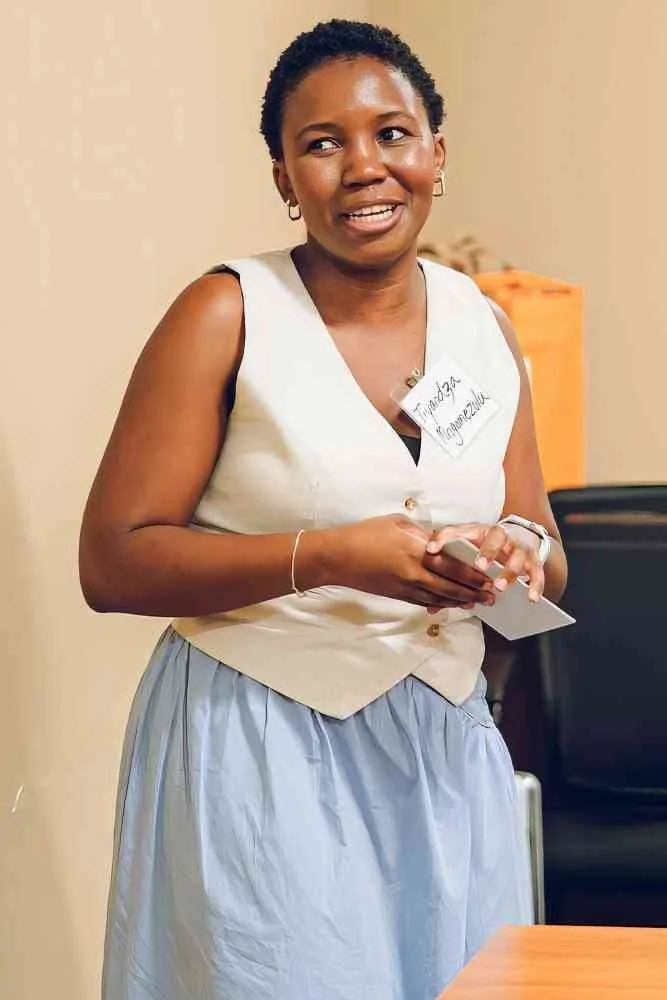
Crucially, WE grounds its work in research and data. “We determine our priorities and our most impactful levers of change through data,” says Tara Driver, Senior Career Pathways Manager, WE. Case in point: WE focuses mostly on Black and Latinx women in underpaid jobs “because it’s proven and well documented that these groups experience the most disparities,” Ellens says. WE looks at both quantitative and qualitative data to determine where such disparities lie—and how best to address them.
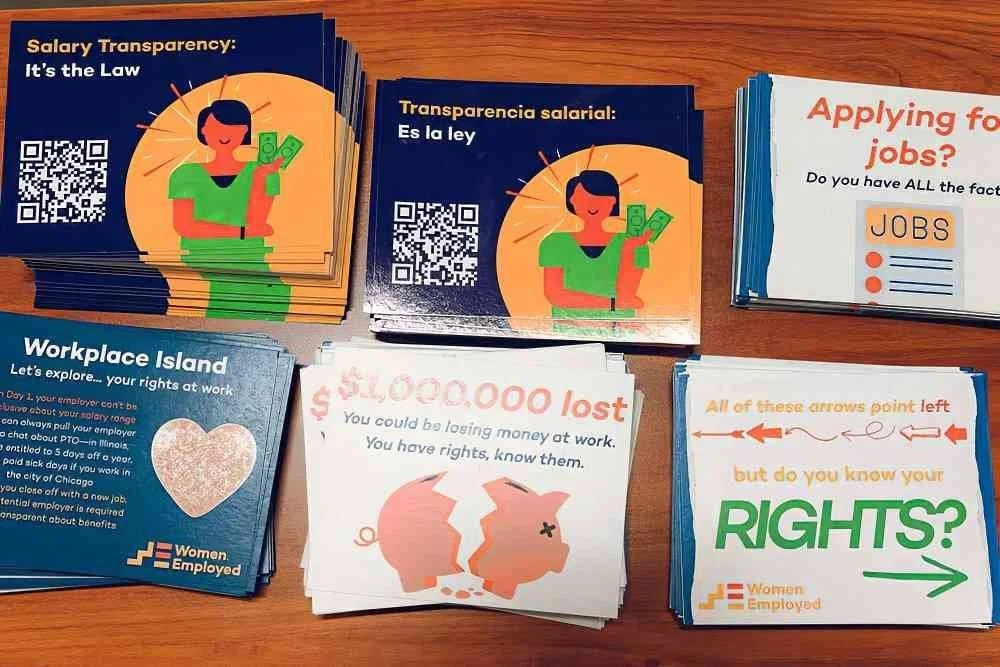
For WE, effective workforce policies alone are not enough; WE also strives to ensure such policies are implemented. For instance, in addition to advocating successfully for Illinois’ equal pay and pay transparency laws, WE surveyed several hundred women workers to gauge their understanding of their equal pay rights in Illinois. After discovering that many women were not aware of their legal rights, or of the resources available to them if their rights were violated, WE developed pay-related educational materials now used by workforce trainers across the state.
With this and other initiatives, WE leverages women’s experiences in their own words to better understand the real-world impact of workforce programs and policies and to identify needed changes. For example, WE recently culled the experiences and insights of domestic violence survivors to recommend policy and practice solutions that meet these women’s economic and employment needs.
As its work on equal pay illustrates, WE serves as an invaluable support to the schools and community-based organizations that educate and train women workers. One critical way WE does this is with its career pathways programs, which consist of daily lesson plans to teach adult learners who do not and often cannot go to college right out of high school the skills needed to create a career and education plan.
As one career pathways initiative, bridge programs help adult and nontraditional students earn their high school equivalency degrees and embark upon careers in specific sectors. With the Fry Foundation’s support, WE over a decade ago created its first sector-based bridge program, for healthcare, in partnership with the City Colleges of Chicago. WE also partnered with the City Colleges to create a career pathways program called Career Foundations, which helps nontraditional students identify the sector where they want to work and learn how to enter it. The Career Foundations curriculum is now in place at schools and other organizations throughout the city.
WE not only helps create and implement such programs but also tracks them over time, so that WE can identify ways to make them better.
For example, by interviewing bridge-program graduates, WE determined they needed more support to earn the credentials and certifications required for entry-level healthcare positions, such as medical and nursing assistants.
WE’s work doesn’t end once women land their first jobs; WE continues to follow and analyze their career journeys. By doing so, WE has found that many women who gain entry-level positions struggle to get any further. “So, we focused on those who are already in the field but who keep hitting the wall and aren’t advancing,” says Christina Warden, Vice President of Policy and Programs, WE. “Our goal was to have them on a pathway that advances their careers and income.” To help these women advance, WE has been researching how women who start in low-paid entry positions in healthcare can expand their skillsets. This research, which involves interviews with over 40 healthcare workers, will inform WE’s development, in partnership with a Chicago hospital, of a pilot project currently underway to help upskill women in low-paid positions so they can get ahead.
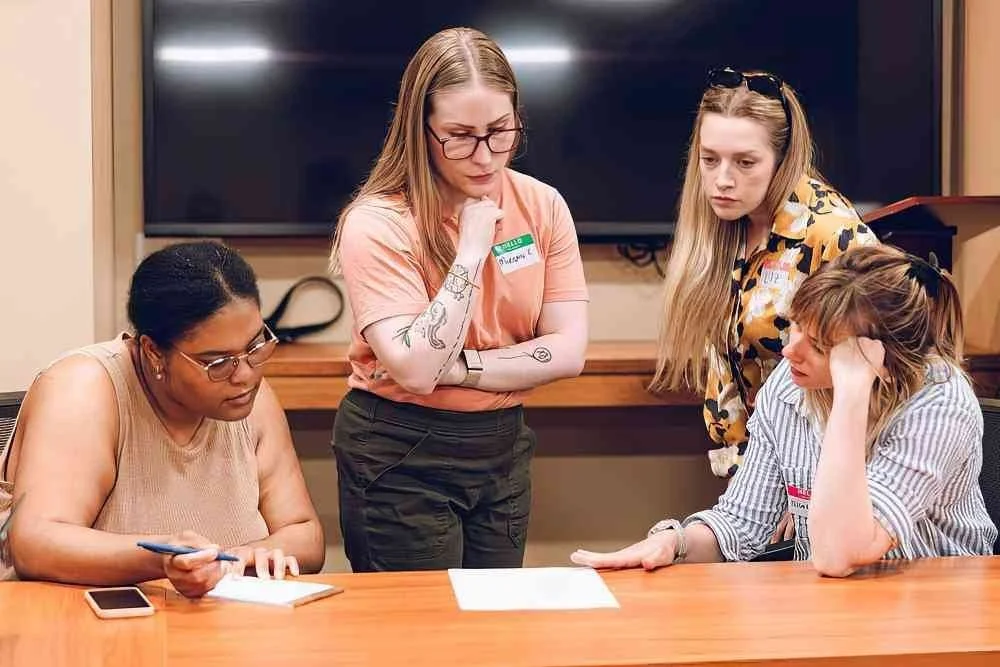
“With our work in healthcare, what’s evolved is our focus on the pipeline of healthcare workers, and it’s data and research that are informing that shift,” Ellens says.
Kelly Smith has seen the benefits firsthand. In early 2024, Smith, an Albany Park resident, enrolled in a Career Foundations program, developed by Women Employed and taught by Erie Neighborhood House, that informed her of career options and job openings aligned with her skills and interests, while also encouraging her to complete her associate’s degree. In mid-2024, Smith began working as a community health worker for Breakthrough Urban Ministries, where she helps individuals experiencing homelessness with their medical needs. “It’s nice to know I’m making a difference and helping people,” Smith says. “Women Employed helped guide me toward a good career path and a brighter future.”
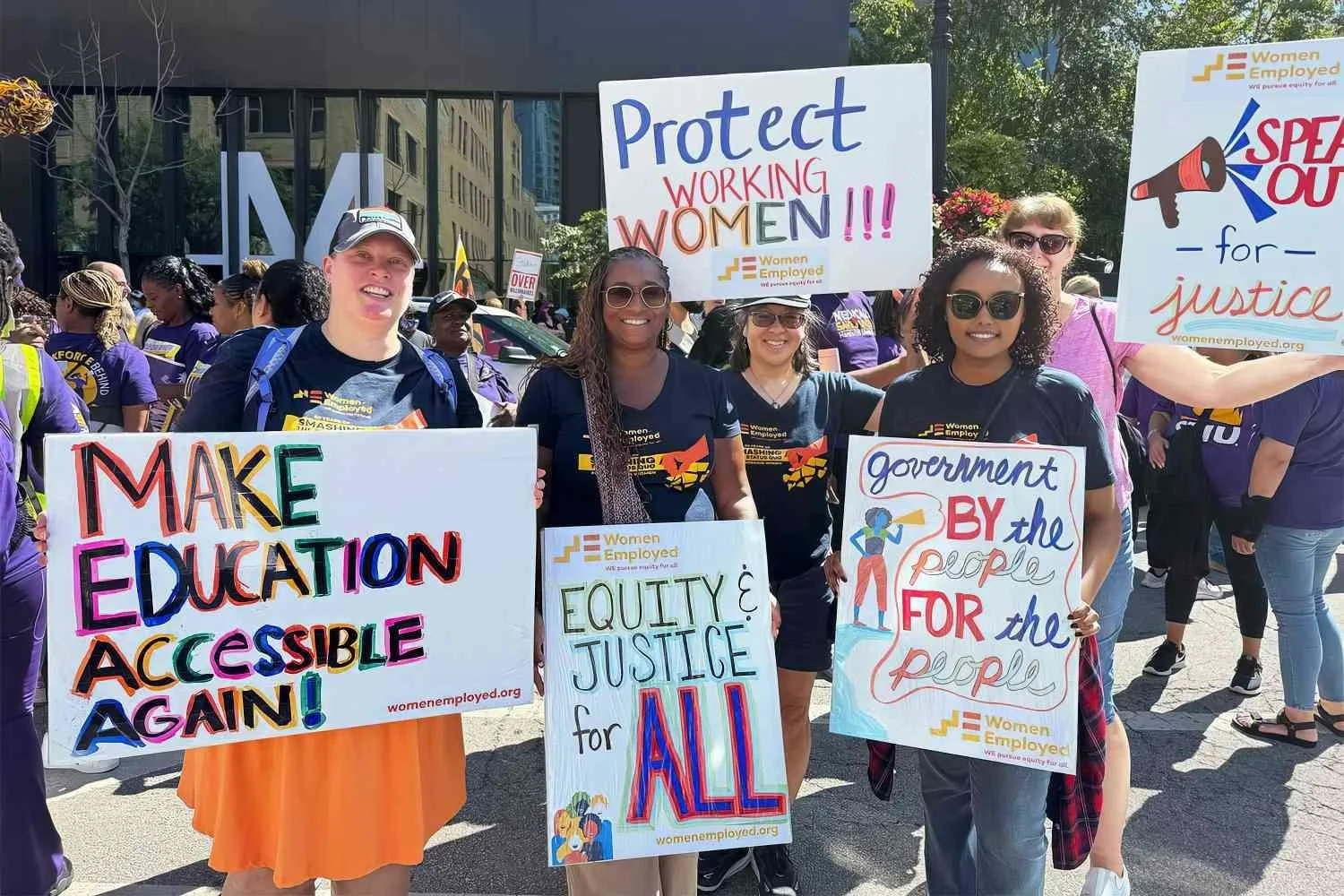
WE’s work has gained added urgency amid recent upheavals in national policy. WE launched a weekly digest on workforce-related policies to help its various constituents, such as workforce development agencies, and their partners stay informed of the latest policy shifts. WE also created a video series that informs women workers about governmental actions affecting their lives and how they can respond. “We have become a lot more visible in our advocacy,” Ellens says of WE’s work during the current administration. “We want to use our voice to make sure legislators understand how working women are being impacted by their decisions.”