
ARTS LEARNING
The People’s Music School
The Fry Foundation “…plays an incredibly valuable role in Chicago’s cultural landscape. A lot of funders fund either the arts or education, but not arts education. The Fry Foundation understands arts learning is important for Chicago kids. It’s because of organizations like the Fry Foundation, with its specific arts learning portfolio, that we can do what we do at all.”
Miriam Goldberg Owens, President and CEO, The People’s Music School
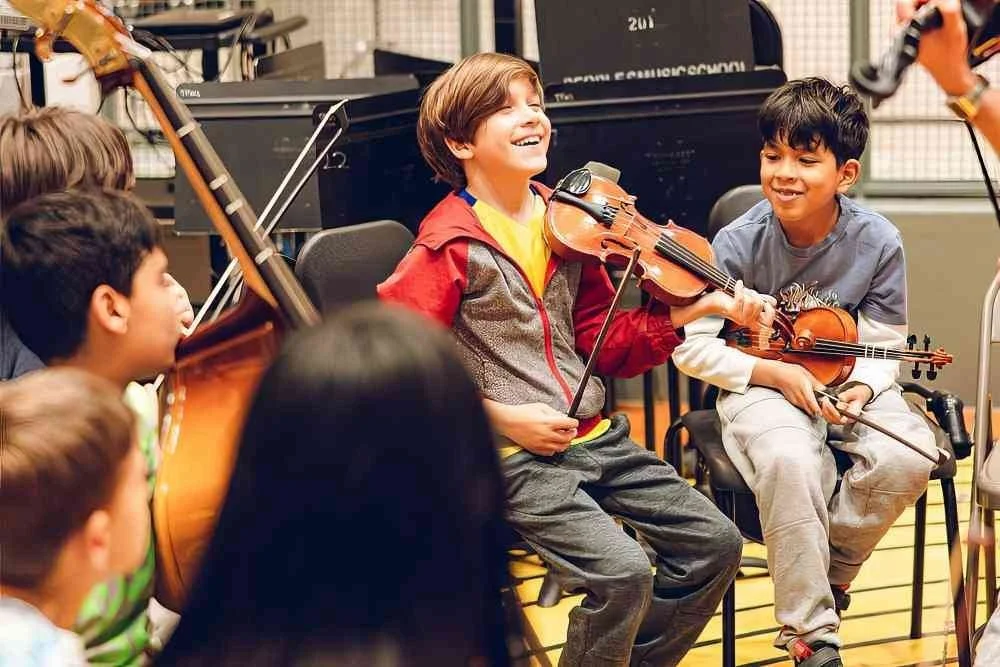
It takes years to learn how to play an instrument and develop one’s musical ability. That’s why The People’s Music School (TPMS), which has provided tuition-free music instruction since 1976, works to ensure its students stay with the program for the long term. The longer they stay, the better they get—and the more benefits they realize both musically and personally.
“For me, retention is the most important metric because that’s what creates transformation,” says Miriam Goldberg Owens, President and CEO, TPMS.
By gathering and analyzing various metrics, including retention, TPMS can develop strategies to encourage students’ sustained engagement with music education.
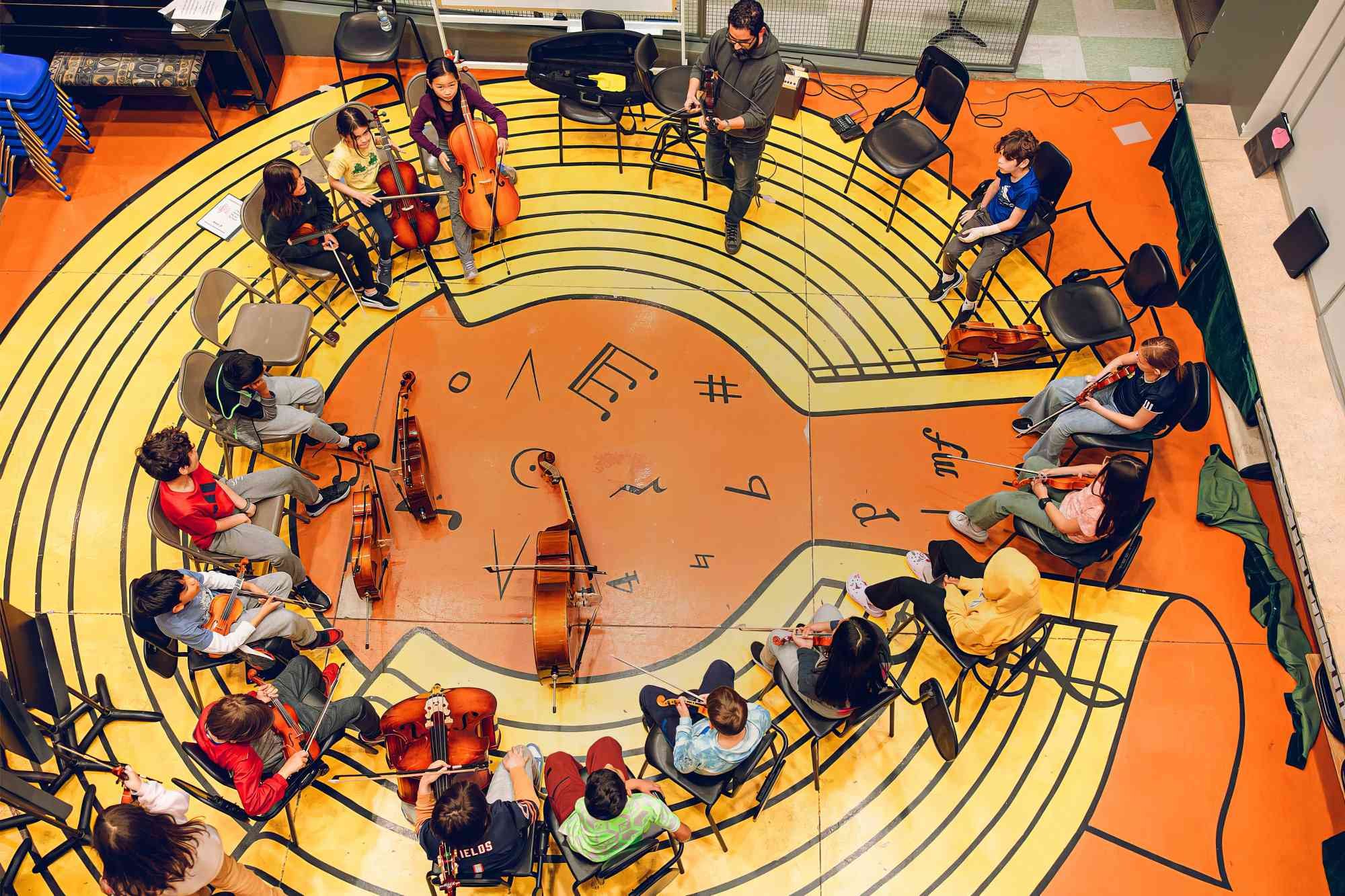
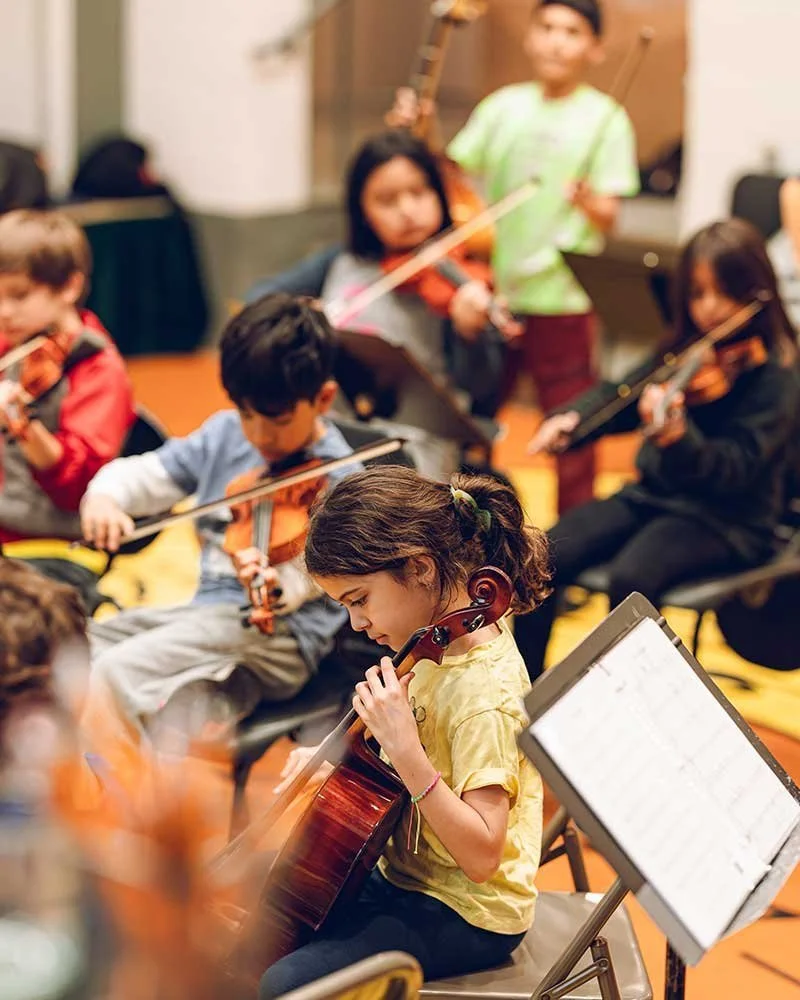
Each year, TPMS teaches over 800 first through twelfth graders through its community-based sites in Albany Park, Back of the Yards, and the Greater South Side, in addition to its original Uptown location. At the three community-based sites, students each week receive four hours of after-school instrumental and ensemble instruction, and they perform multiple times a year. At the end of each year, faculty members assess students’ musical ability and knowledge, then determine if the students can progress to the next curricular level, ranging from one to 10.
Historically, TPMS measured retention only within each academic year. But in the 2022-23 school year, the organization started tracking retention from one year to the next. TPMS also began asking students who chose not to continue with the program why they left. From these metrics and exit interviews, TPMS found a direct link between students’ improvements in music and their desire to stick with it. Students who did not progress to the next level after a few years faced high odds of dropping out.
“Even at the beginner levels, students need to feel like they’re getting better,” says Kelly Dennis, Senior Manager of Student Data and Systems, TPMS.
By diving more deeply into its data, TPMS realized that, in particular, violin students were less likely than others to progress to the next level. While TPMS has more students playing violin than any other instrument, only 30% of violin students moved to the next level, compared to 54% of all music students.
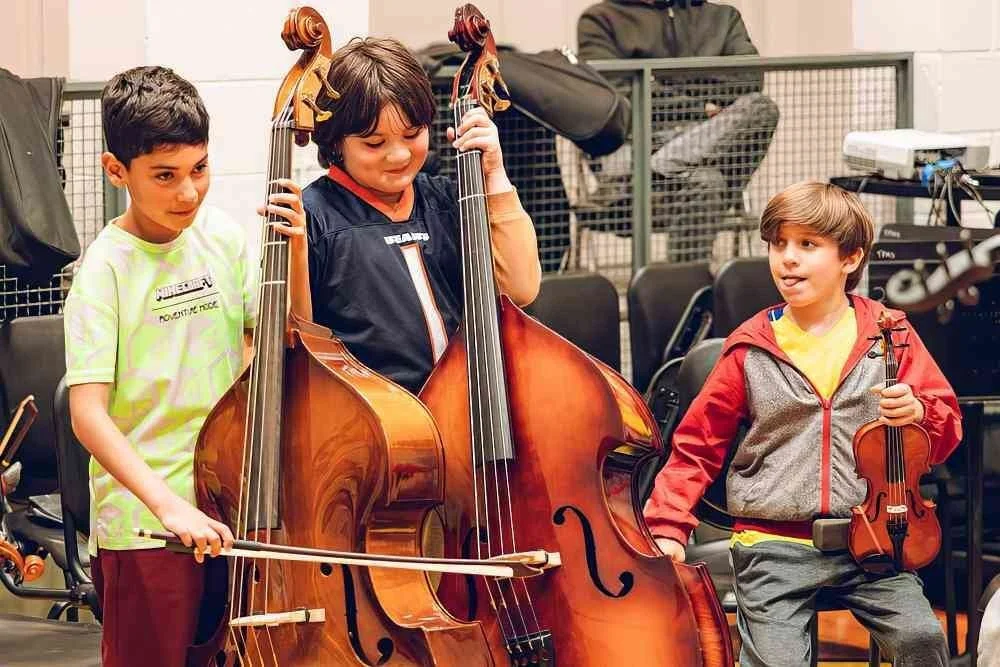
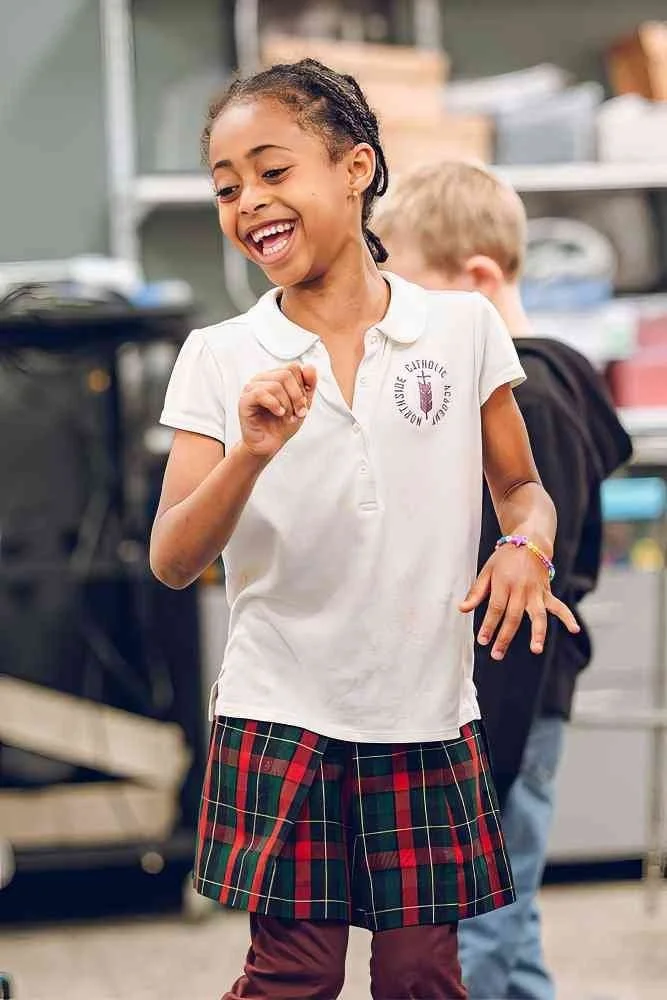
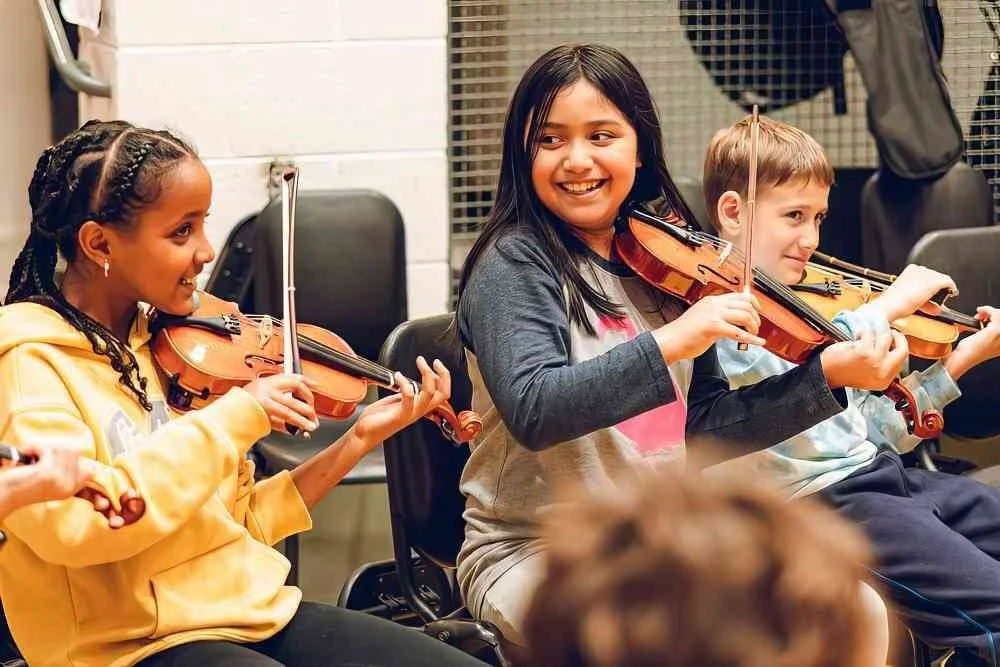
“We found in the data that students in strings were staying a long time in the beginner levels,” says Felipe Tobar, Learning and Teaching Associate, TPMS. And when they remained in the same level, sometimes for years, students’ motivation and interest declined.
Looking closely at the violin curriculum, TPMS leaders realized that violin students had been expected to learn more complicated skills than their peers. So, in 2024-25, TPMS revamped its violin curriculum so that learning goals are consistent across all 20 instruments. “It’s not about lowering expectations; it’s about ensuring our level of rigor is better calibrated across instruments, so students are more likely to grow over time,” Owens says. TPMS similarly revised the curriculum for percussion students.
The results have been significant: In one year’s time, from 2023-2024 to 2024-2025, the progression rate for violin students jumped from 43% to 77%, and for percussion students from 52% to 93%.
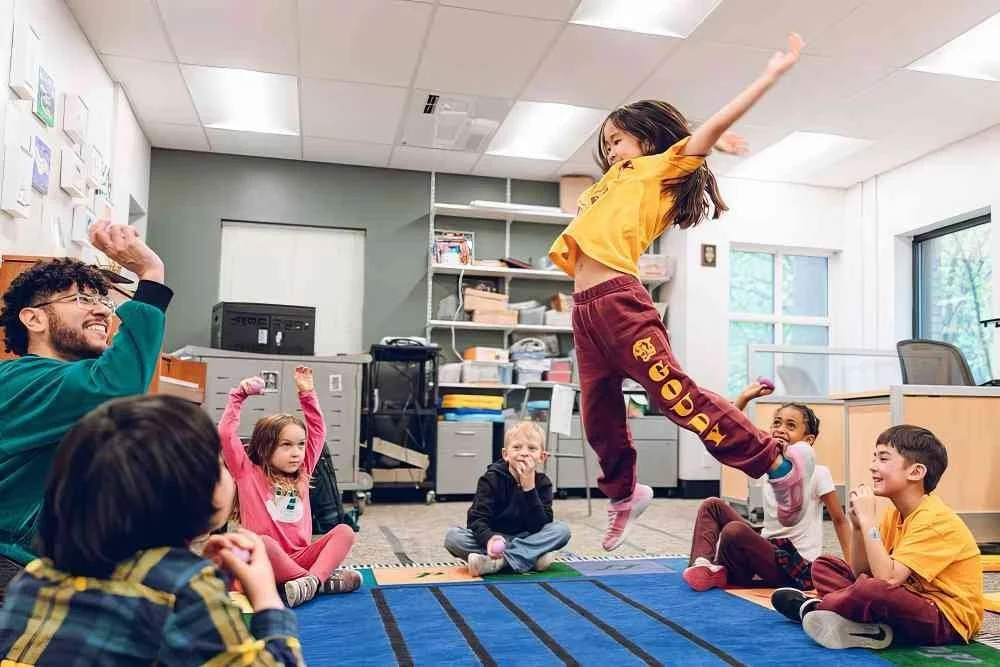
From its exit surveys with students, TPMS learned that another big reason students leave is to pursue other interests. To foster a more exciting and engaging learning experience, TPMS now encourages teachers to devise music-learning games, celebrate even seemingly small student improvements, and select music that reflects their students’ cultures and backgrounds.
“That way, we can program music that connects with our students,” Dennis says. Tobar, for example, teaches pop songs that his students express interest in learning and that require similar skills as classical music.
TPMS also has helped students remain engaged by creating honors-level ensembles at the three community sites. As a result, more advanced students can participate in more challenging ensemble work. “This creates an opportunity for students to have a better experience with their ensemble,” Tobar says.
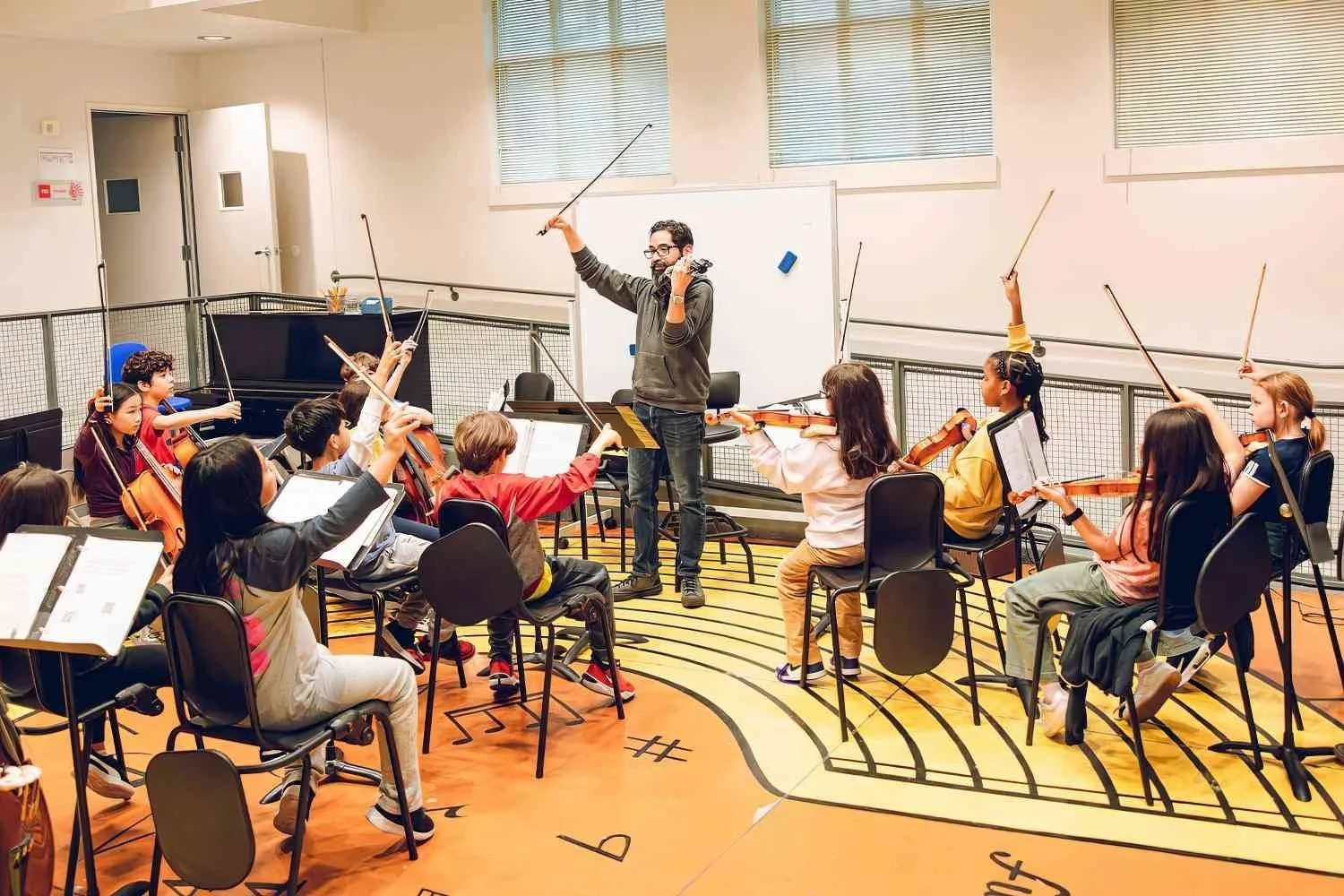
In addition, TPMS bolsters retention by tracking student attendance (“an indicator of future retention,” Dennis says) and by sharing more information about the program with prospective participants. Before students can join, TPMS now requires them to attend one of several open house information sessions. “The more they know before they sign up, the more likely they are to stay in the program for several years,” Dennis says.
It’s not just the violinists and percussionists who have benefited from the increased efforts to boost progression and retention. For students of all instruments, the progression rate climbed from 54% in 2023-2024 to 70% the following year. Moreover, in the 2024-25 school year, TPMS retained 78% of its students—up 10 percentage points from just two years earlier.
TPMS is more fully leveraging its internal data by understanding it in relation to external metrics, such as the connection between students’ music learning and their academic grades. While it knows that 95% of its seniors go to college, TPMS has begun to cull other metrics such as the percentage of alumni who graduate from college. And as part of El Sistema USA, a national network of music education programs, TPMS has been participating in a nationwide study that will shed light on the impact of music education on students’ life outcomes.
