
EMPLOYMENT
Chicagoland Workforce Funder Alliance
The Fry Foundation is “…a model collaborator. All the things that make up effective collaboration, such as building trust, work better when each member of the collaboration embraces that ethos. And that’s what the Fry Foundation does. Also, the Foundation’s employment program officers bring experience and authority in workforce development.”
—Matthew Bruce, Executive Director, Chicagoland Workforce Funder Alliance
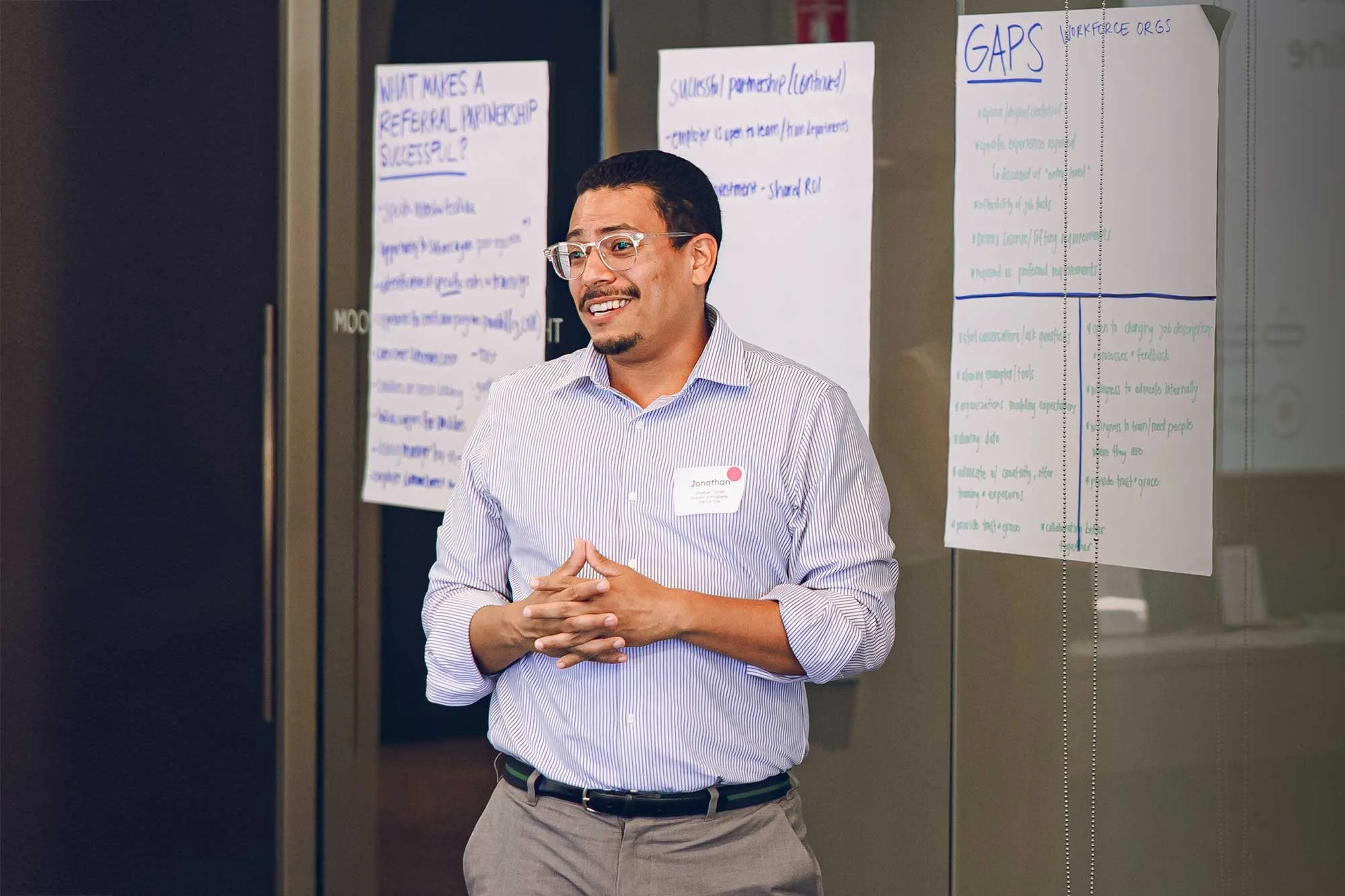
Efforts to assist Chicagoans in finding and keeping quality jobs necessarily involve multiple stakeholders: employers, workers, workforce development agencies, and private and public funders. Chicagoland Workforce Funder Alliance (CWFA) brings all these parties together, helping to create “a more prosperous, equitable region through collaboration,” says Matthew Bruce, executive director of CWFA. With so many different stakeholders involved in workforce development, their collaboration is essential. “Their problems are shared problems, so their solutions need to be shared too,” Bruce says.
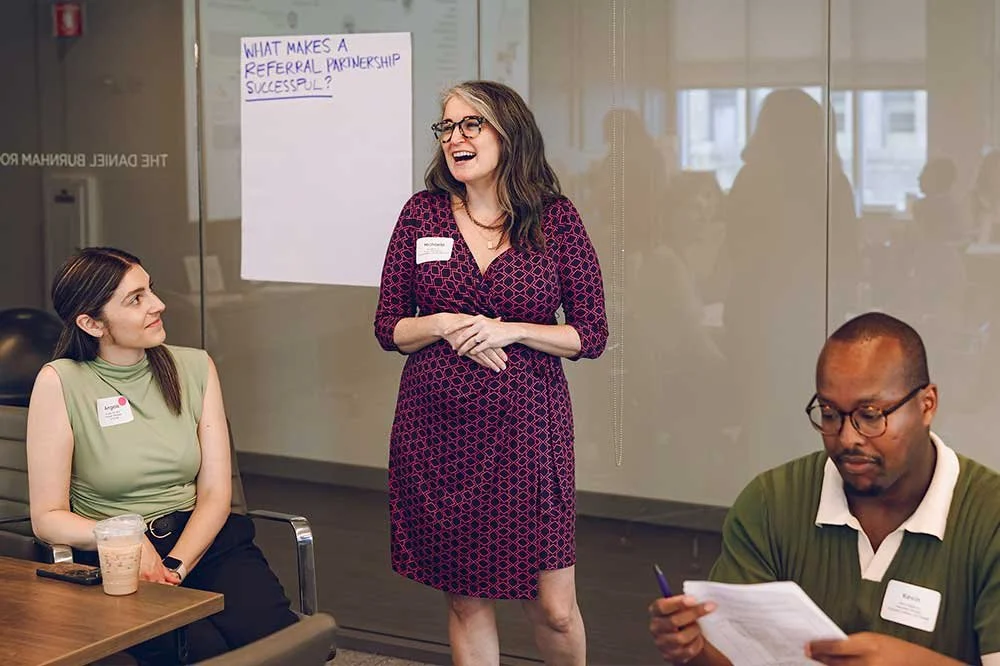
Launched in 2012 by five funders, including the Fry Foundation, CWFA acts as a convener, supporter, and, in some cases, funder of workforce collaborations. CWFA focuses on three big buckets: employer-led workforce partnerships, workforce systems change, and high-quality jobs.
CWFA’s Industry Workforce Partnerships initiative enables employers to come together to identify mutual problems and craft mutual solutions. For example, the CWFA-funded Chicago Healthcare Workforce Collaborative assembles a dozen health and hospital systems to identify concrete ways to better attract and retain much-needed workers. One result: These organizations plan to offer more training opportunities for in-demand respiratory therapists—a sector-wide need that no one health system can solve on its own.
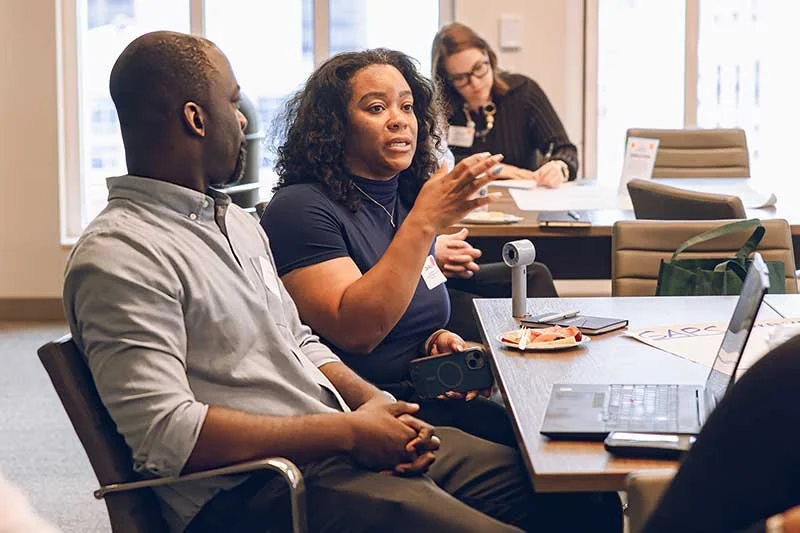
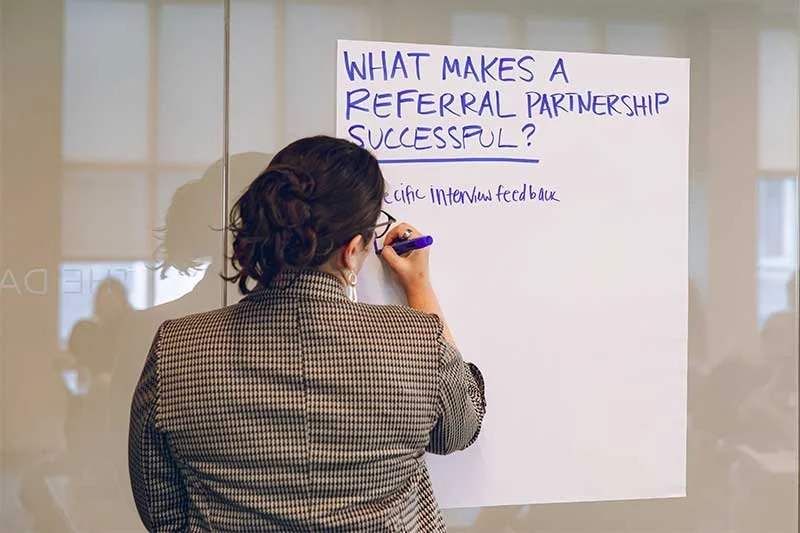
While the workforce system is rich with programs, there are also many gaps between them. CWFA helps bridge these gaps by building relationships among workforce development programs. In one such case, CWFA helped one of its grantees, National Able Network, unlock federal funds for employment and training in Illinois for SNAP (Supplemental Nutrition Assistance Program) recipients by creating processes to document the state’s spending on workforce services specifically for these individuals.
To create more high-quality jobs, employers need a forum where they can innovate and test new ideas together. In partnership with CWFA, the Corporate Coalition of Chicago and Cara Collective have convened about 20 Chicago employers that want to provide more employment opportunities to people with criminal records. “We found that individuals with criminal backgrounds remove themselves from opportunities even when that’s not necessary,” Bruce says. After identifying the internal barriers that may have reduced applications by candidates with prior convictions, these organizations rewrote language in their job postings to indicate they are second-chance employers.
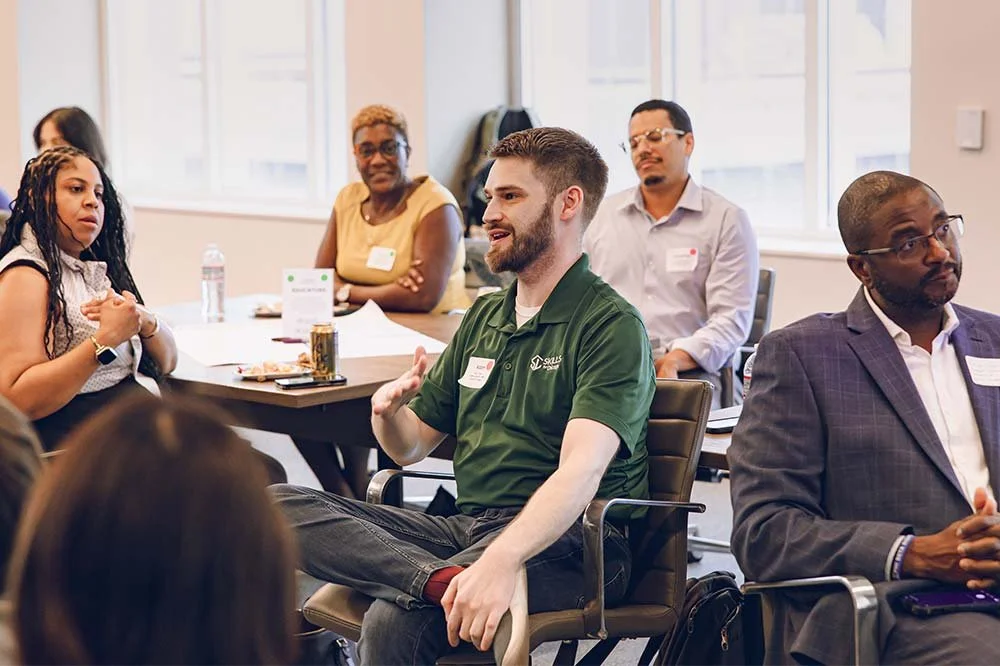
Through its wide array of initiatives, CWFA has “learned over the years how to do collaboration well,” Bruce says. As a field-building enabler of collaboration, CWFA has found that each partnership must begin by building trust and relationships, he says. “We always start with that.”
Building trust is a critical first step, but taking action is the necessary follow-through. “Collaboration is most effective when you do something concrete together,” Bruce says. But such efforts cannot be limited to one-off initiatives, he adds. That’s because workforce development faces complicated problems that require complex solutions over extended periods of time. “If you collaborate on just one thing, that isn’t sustainable. But if you collaborate on three different things, then you’re working together,” he says.
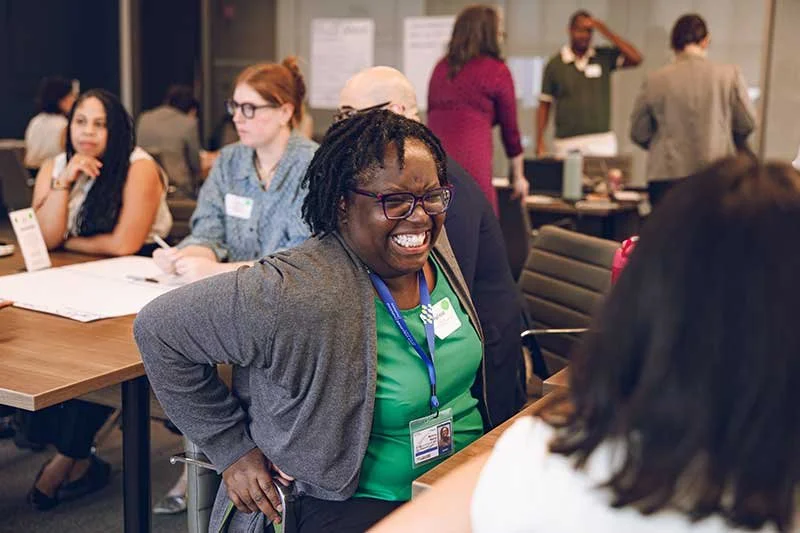
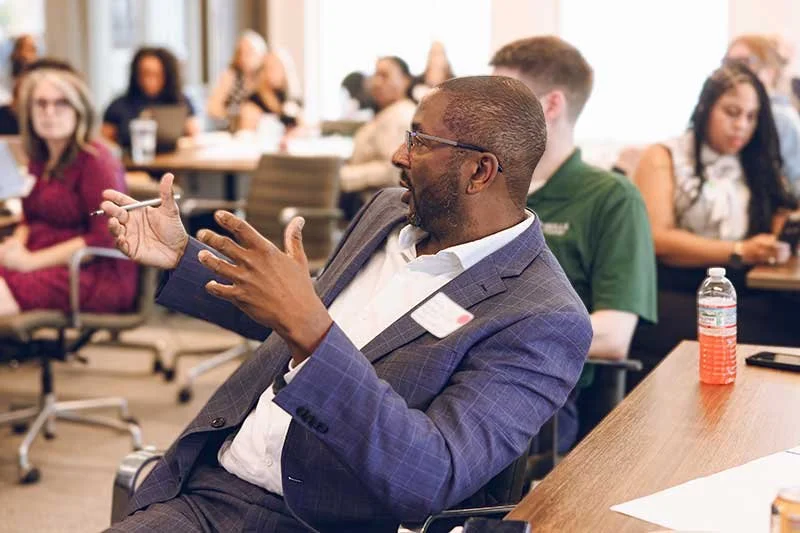
When workforce collaborators take on more than one effort together and become ongoing partners over the long term, they achieve numerous benefits, Bruce explains. The partners gain quick wins that encourage longer-term initiatives. They take risks and learn from trial and error. They develop the muscle of perseverance. And they discover a valuable lesson about collaboration, Bruce says: “You’re striving for consensus, not unanimity.”
Another advantage of sustained collaboration: Once they have built trust and relationships, partners can take advantage of windows of opportunity when they open. For example, in response to stricter work requirements for SNAP recipients, CWFA helped create Job Ready Illinois, an online work program assembled in a matter of months and launched earlier this year, with more than 1,000 enrollments in its first month. That success resulted from CWFA’s ongoing and myriad public-sector partnerships. “To put up these online courses, we drew on existing relationships,” Bruce says. “Job Ready Illinois relied on the collective strength of the workforce system.”
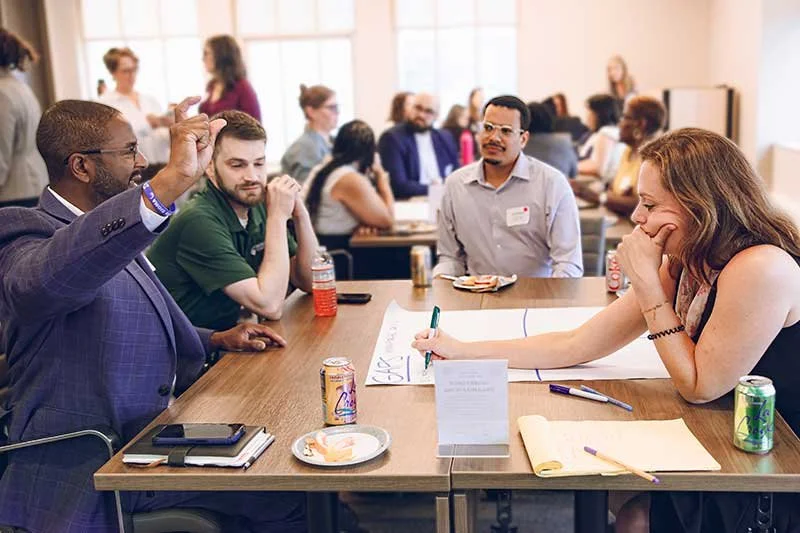
In addition to working as a convener, CWFA serves as an educator. At CWFA’s annual Chicagoland Workforce Development Symposium, about 250 local workforce development practitioners gather to explore effective ways to help more workers participate in a flourishing economy. Also, CWFA offers a learning community for funders as well as monthly learning sessions for the general public, where CWFA shares its work and its partners’ work with the larger community.
As a trusted partner, and as a steady champion of collaboration, CWFA reminds all workforce stakeholders that everything they do is in service to Chicago workers. “Ultimately, we want families and communities to thrive, and that’s why we do this work,” Bruce says.
65 Years of Service
Reflections from Scott McCue & Stepanie Pace Marshall