EDUCATION
Research Partnership for Professional Learning
The Fry Foundation “…helped bring together several of its professional learning grantees to magnify their impact. The Foundation’s ability to convene people so they can talk about their work has been particularly helpful. And the Foundation’s intellectual leadership and deep understanding of the Chicago education landscape have been invaluable.”
—John Papay, Senior Researcher at RPPL and Director of the Annenberg Institute at Brown University
A variety of organizations help Chicago teachers learn to become more effective leaders in their schools. But historically, these organizations have tended to provide their valuable professional learning opportunities, and assess their impact, without working together or learning from one another. When they did collaborate, they did so informally. Since 2025, six such organizations, all Fry Foundation grantees, have forged a different path.
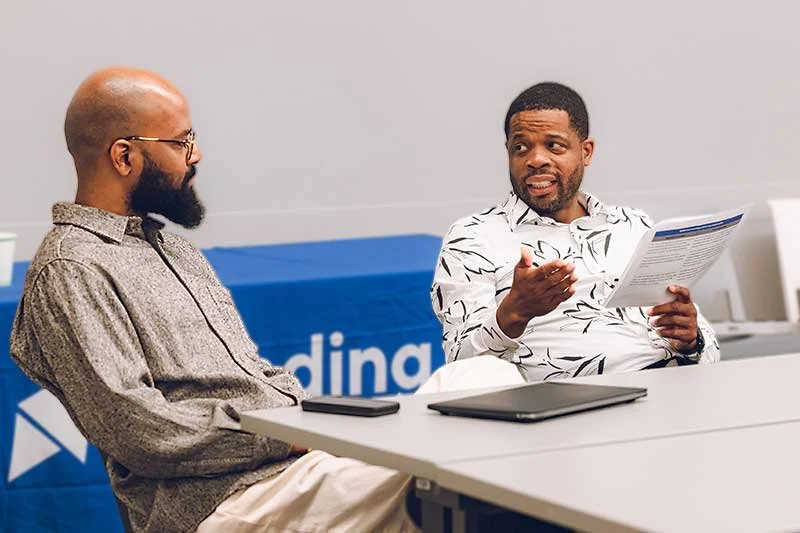
These groups—Leading Educators, New Teacher Center, Teach For America, Teach Plus, Teachers Supporting Teachers, and Teaching Lab—have found that when they come together to share their practices and experiences, they all benefit. Educators, students, and the larger field of teacher professional development benefit as well.
This collaboration has been led by the Research Partnership for Professional Learning (RPPL, pronounced “ripple”), a national collective that studies, shares, and enacts more effective professional learning practices across the country. In Chicago, RPPL researchers have convened leaders from the six Fry Foundation grantees and from Chicago Public Schools (CPS). “There is power in the collective as these organizations have common experiences and challenges,” says John Papay, senior researcher at RPPL and director of the Annenberg Institute at Brown University, RPPL’s research partner.
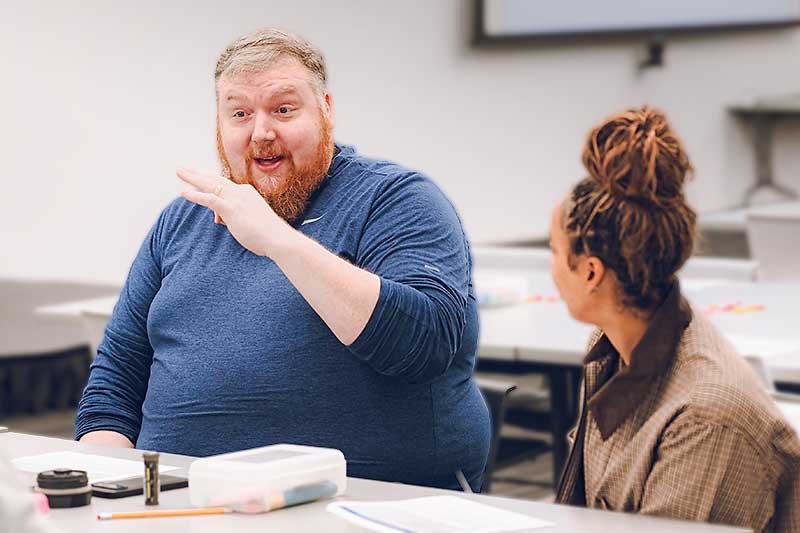
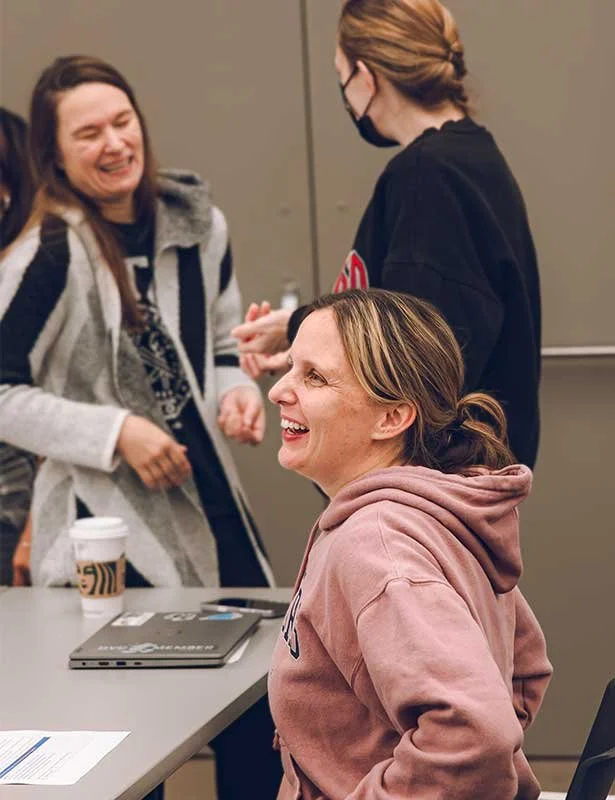
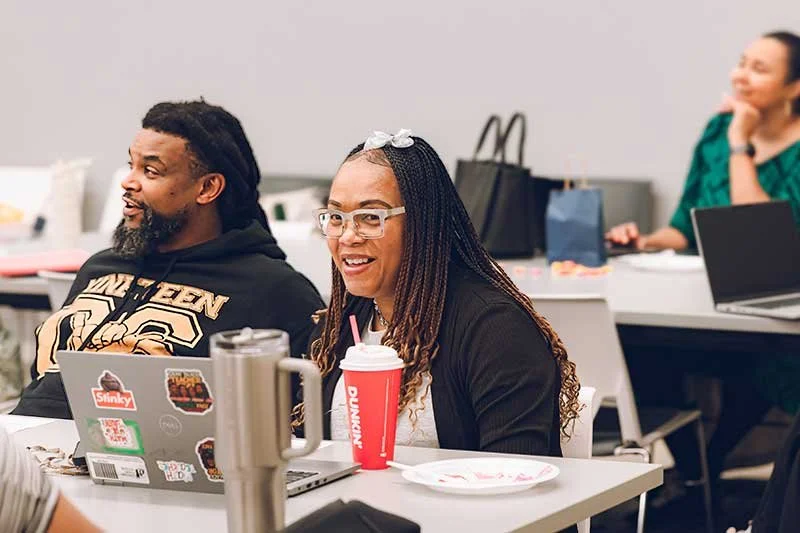
Starting in 2025, representatives from each professional learning organization met monthly to share the practices and lived realities of their learning programs for teacher leaders. “One of the most valuable things that RPPL can offer the field is a stable place to convene and collaborate,” says Krista Morales, director of network engagement and communications at RPPL.
The participants discussed how each of their organizations defines and approaches teacher leadership—whether that’s improving fellow teachers’ instructional practices, amplifying their own voices in school decision-making, driving school-wide changes, or influencing educational policy. The participants also examined how each organization measures its impact, reviewing surveys and other measurement tools to see where they could create and pilot shared metrics. “We build on knowledge that’s useful not just for one organization but for many together,” Papay says.

The participants also heard directly from CPS. “The professional learning organizations valued hearing from CPS about teacher leadership approaches and tools available in the district so that the organizations could align their efforts more directly,” Papay says.
The convening of so many players in the professional learning field has been especially important, Morales notes, given the wider context of federal and local changes in education. “When everything is shifting around you, having a shared agenda and set of questions you’re all trying to answer together creates a helpful anchor,” she says.
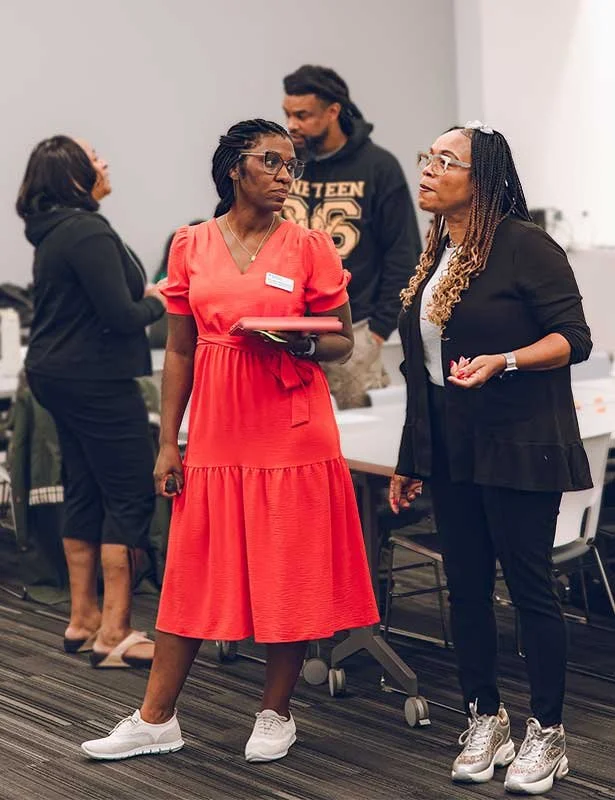
In their second and third years together, the professional learning organizations will assess the findings of interviews that RPPL has conducted with principals and teacher leaders, as well as survey questions that the group co-developed for teacher leaders to shed light on their experiences. In addition, RPPL researchers are leading a research agenda that illuminates the current practices, realities, and impacts of teacher leaders and their professional learning in Chicago. And by 2028, RPPL will produce a three-year analysis evaluating how teacher leadership in Chicago impacts teaching and student learning.
In these ways, RPPL shares its research and findings with the professional learning organizations, while the organizations’ experiences and insights inform RPPL’s research. “The on-the-ground knowledge, rooted in the experiences of Chicago organizations and teachers, helps make the RPPL research more actionable and helps translate our findings into strategies that reflect the real conditions and goals of the Chicago community,” Morales says.


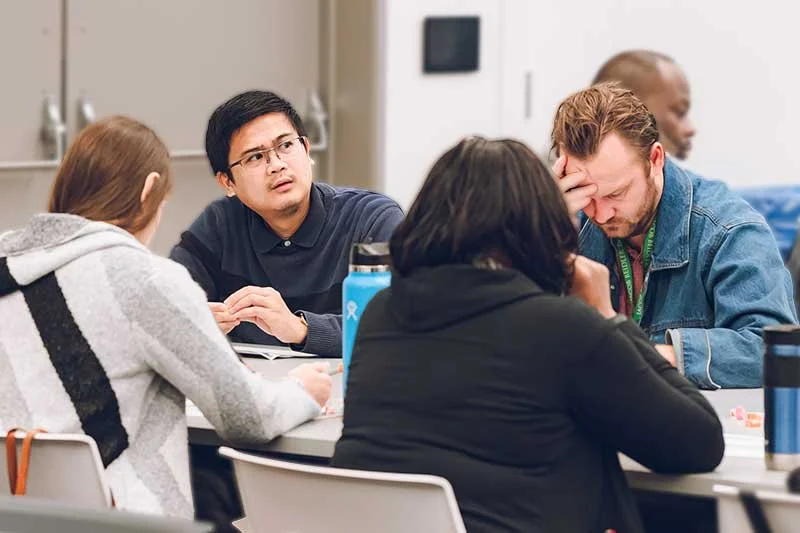
The effects of the RPPL initiative will reach beyond any one professional learning organization, she adds. By bringing all their perspectives into dialogue with each other, the six organizations will help the larger field develop “a more complete picture of how teacher leadership actually operates in Chicago,” Morales says. “When teachers have access to high-quality professional learning grounded in evidence, we can advance educational equality for all students at a faster pace.”
While the professional learning organizations and researchers have been in the discovery phase of the three-year initiative, the effort has already made its mark, Papay says. “We have heard from participants that this is a rare space for them to be able to take a step back, think about their work in a broader context, and share it with other professionals. That’s not something they often have space for in their day-to-day work,” he says. “What was striking was how engaged these organizations were throughout the process.”
Another sign of the initiative’s success: At the end of their first year working together, RPPL asked the participants whether they wanted to continue doing this work. The response was an emphatic and unanimous yes, Papay recalls. “Everyone was invested.”