ARTS LEARNING
National Museum of Mexican Art
The Fry Foundation “…helped spearhead funding for the Nuestras Historias program. The Fry Foundation not only financially supports our arts learning work but also advocates for our work and shares it with other foundations. The Fry Foundation is a partner in Chicago’s education system.”
— Vanessa Sanchez, Director of Education, National Museum of Mexican Art
As families of Latin American descent arrived in Chicago during the 2024–25 school year, tensions began mounting among students at Haugan Elementary School in Albany Park. Diana Zepeda, a second-grade bilingual teacher at Haugan, recalls her students getting into fights over who “really belonged” in the US. Zepeda felt unsure how to address the worsening situation until she engaged with Nuestras Historias (Our Stories), an arts learning program offered by the National Museum of Mexican Art (NMMA). By the program’s end, tensions in her classroom had eased. “The students found similarities between their cultures,” Zepeda says.
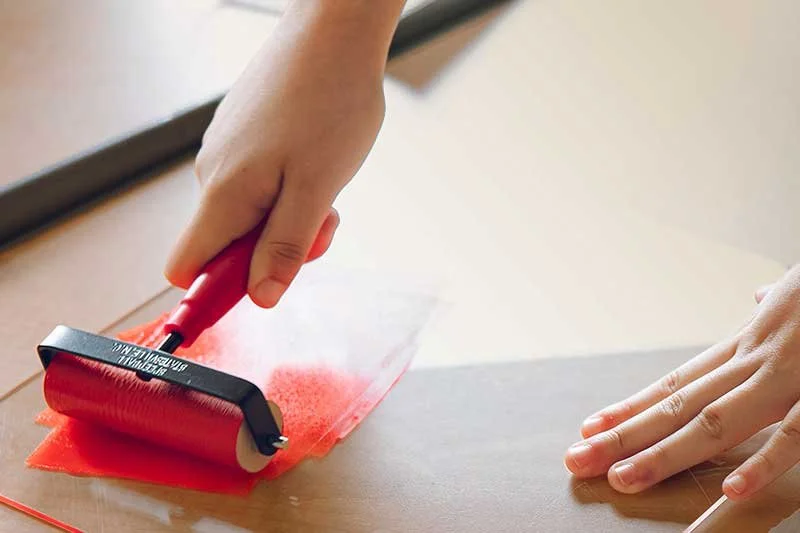
That outcome resulted directly from the NMMA program, Zepeda finds. Nuestras Historias not only cultivates artmaking skills but also leverages the power of art to help build community across cultural differences. The NMMA’s work of uplifting Chicagoans’ identities and communities has become especially vital amid recent changes in policies and the political landscape.
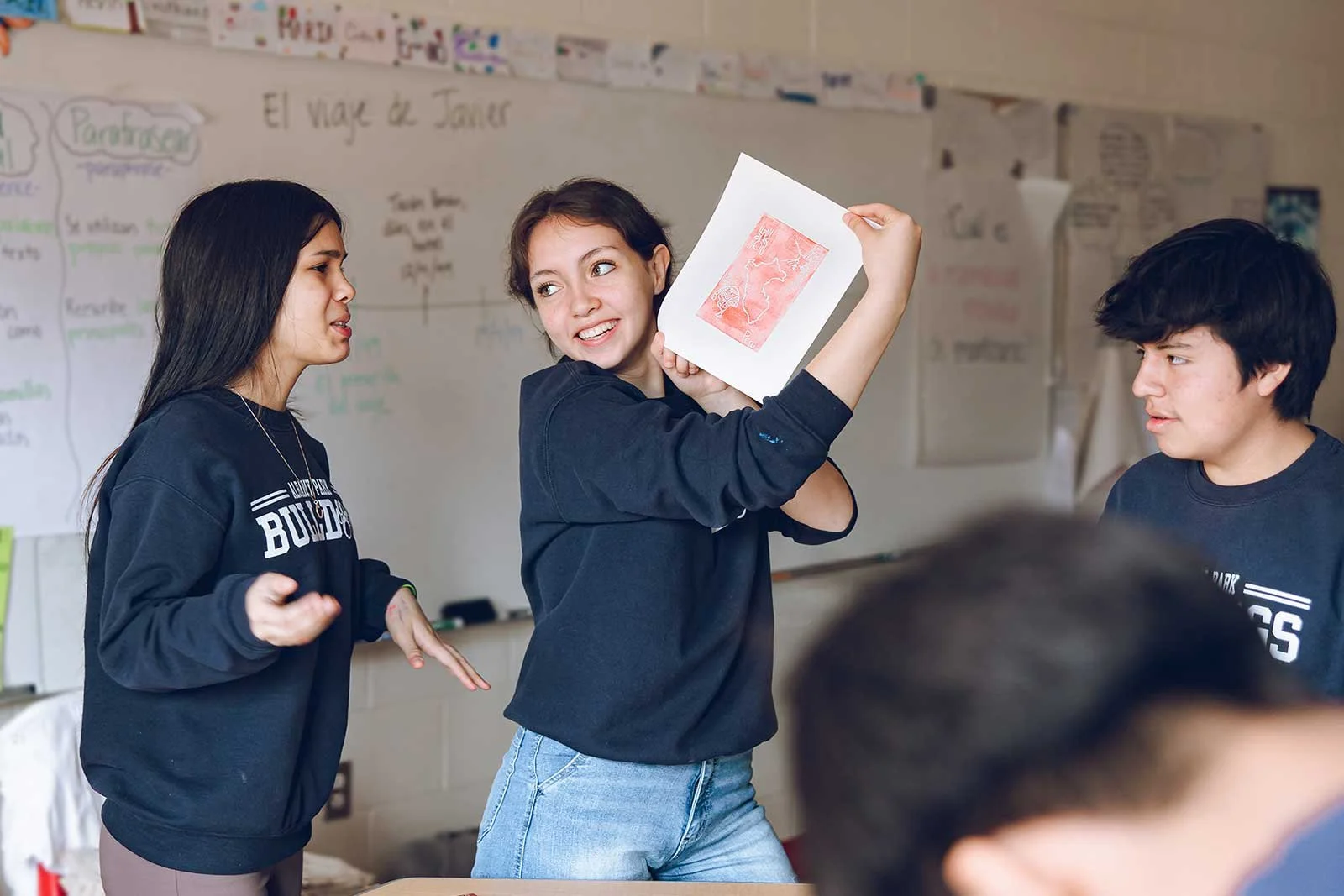
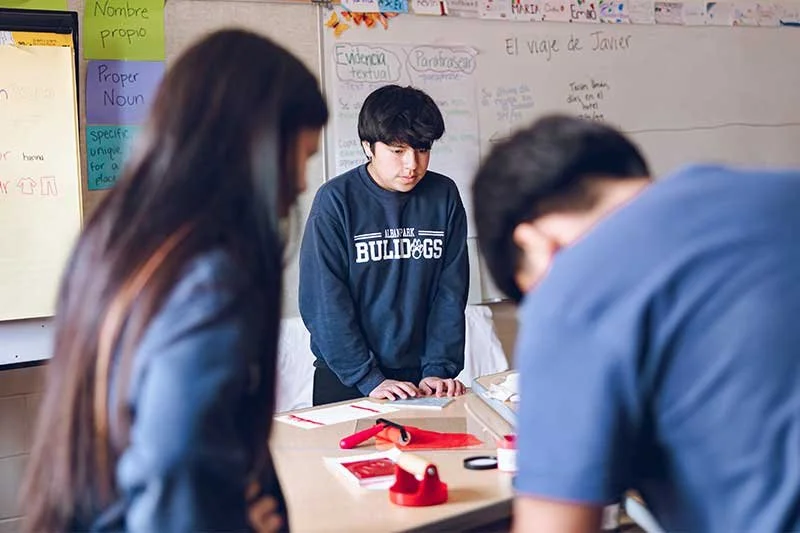
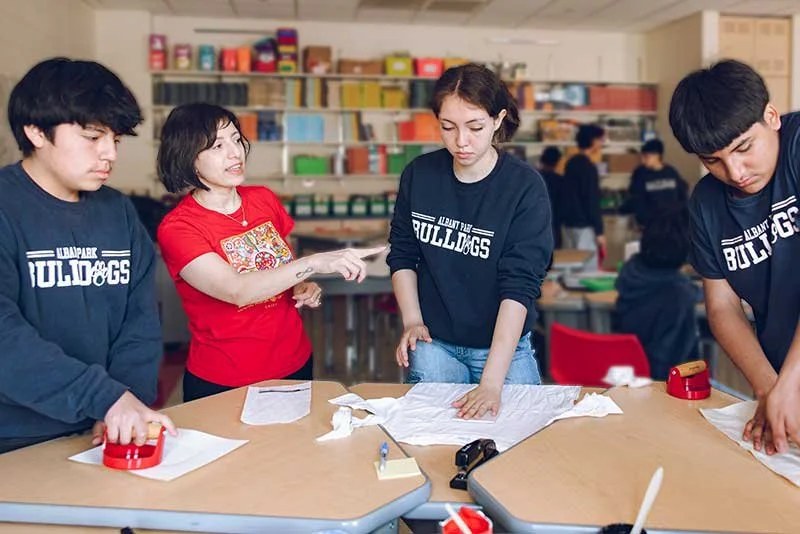
Each semester, the NMMA program provides four professional development sessions to 10 Chicago Public Schools teachers, from pre-kindergarten through high school. The teachers learn to draw inspiration from the NMMA exhibit to teach artmaking to their students. The teachers also gain hands-on experience with art materials and activities, while collaborating with the NMMA’s teaching artists to develop lesson plans. Inside the schools, the teaching artists each typically join 10 to 12 class sessions, helping the teachers and students integrate art into the curricula. For instance, in a science class studying wild animals’ defense mechanisms, students learn about the NMMA’s alebrijes—brightly colored sculptures of fantastical creatures—then create and present their own papier-mâché alebrijes with defenses such as fangs or spikes.
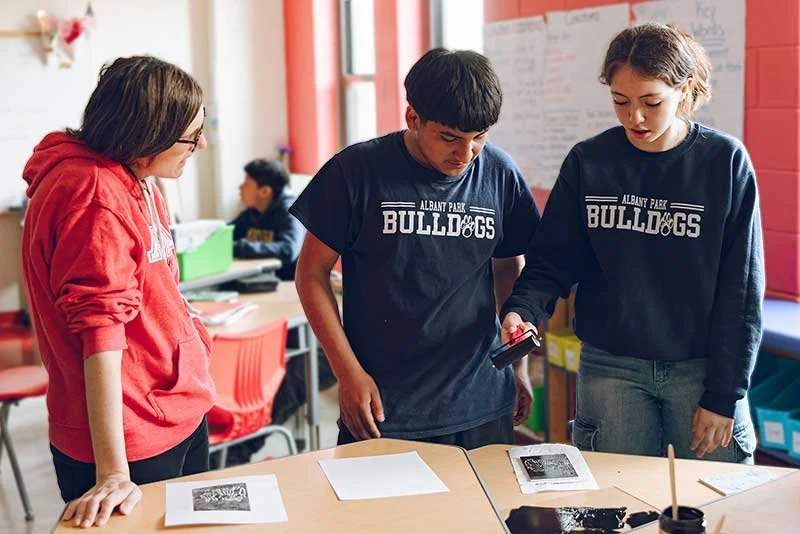
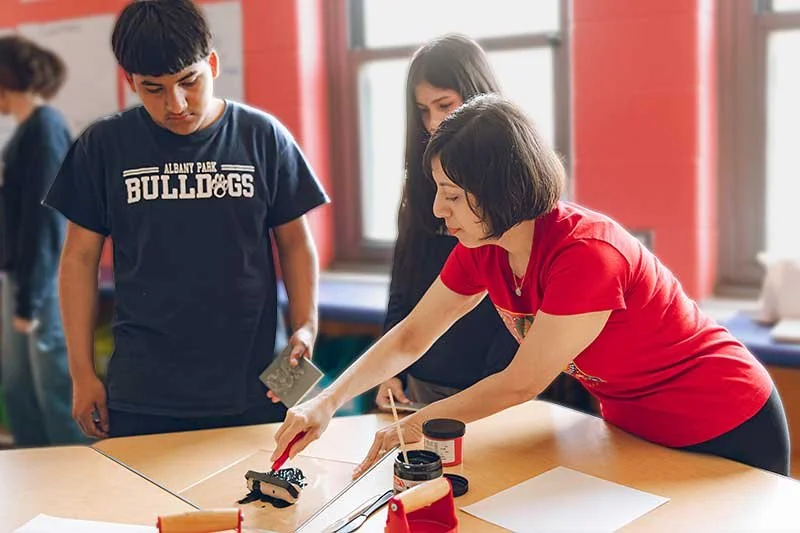
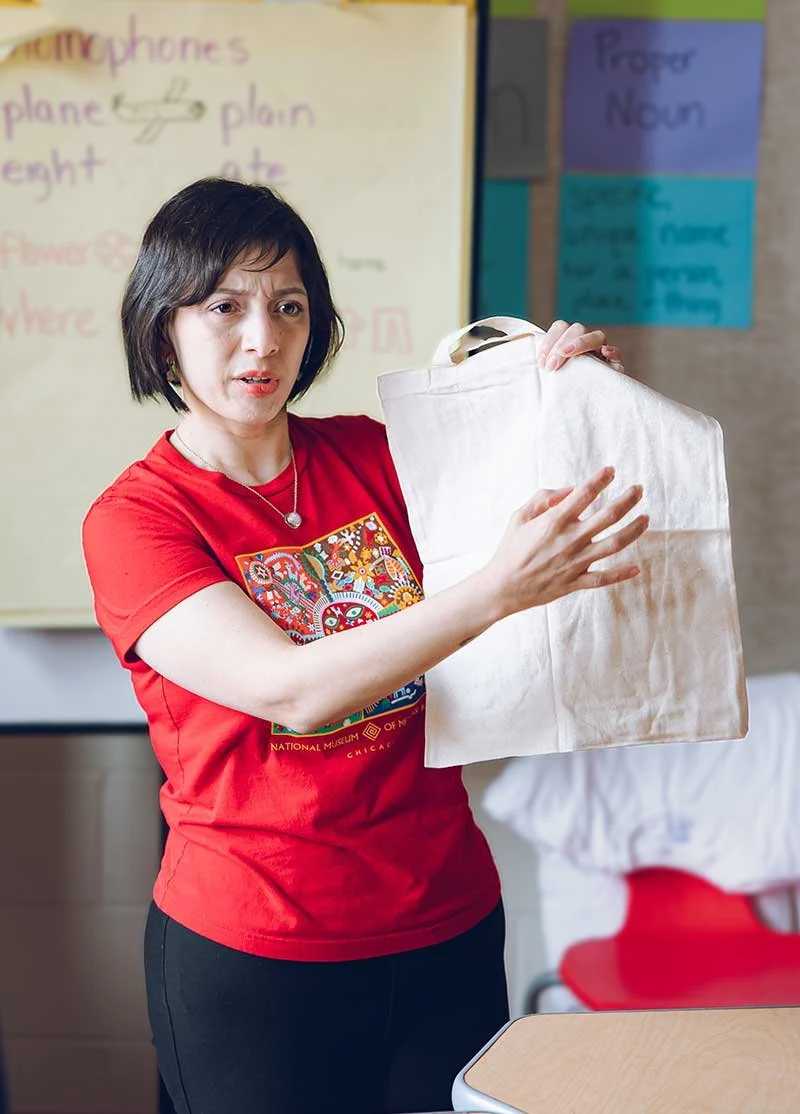
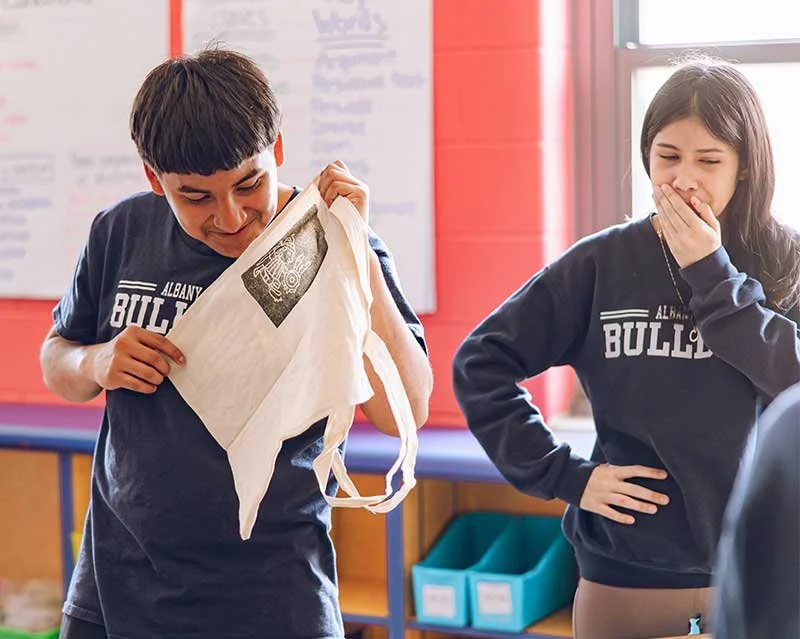
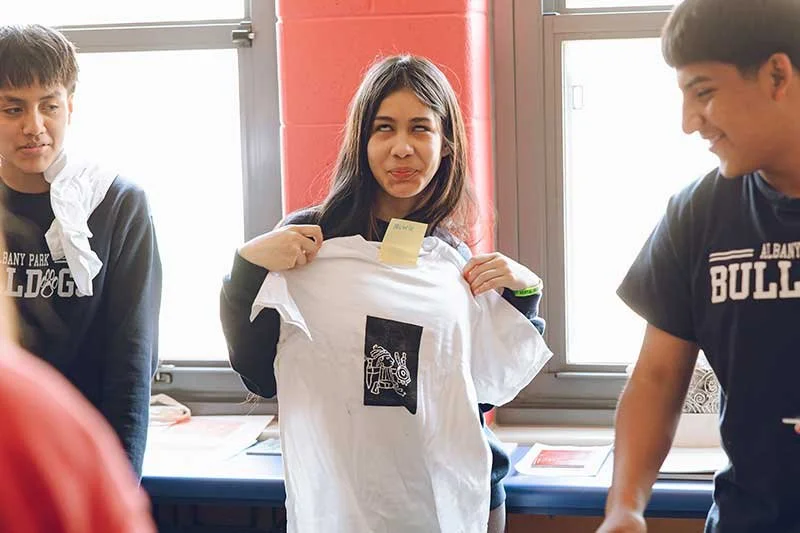
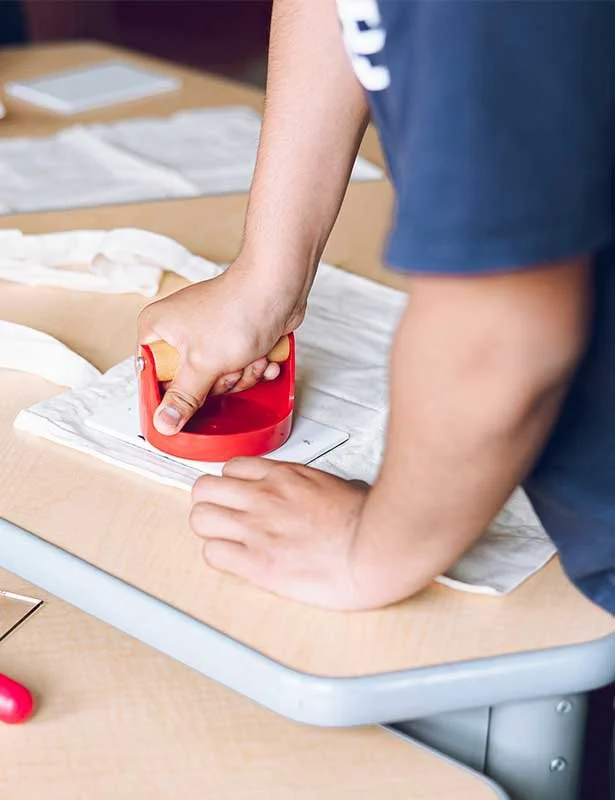
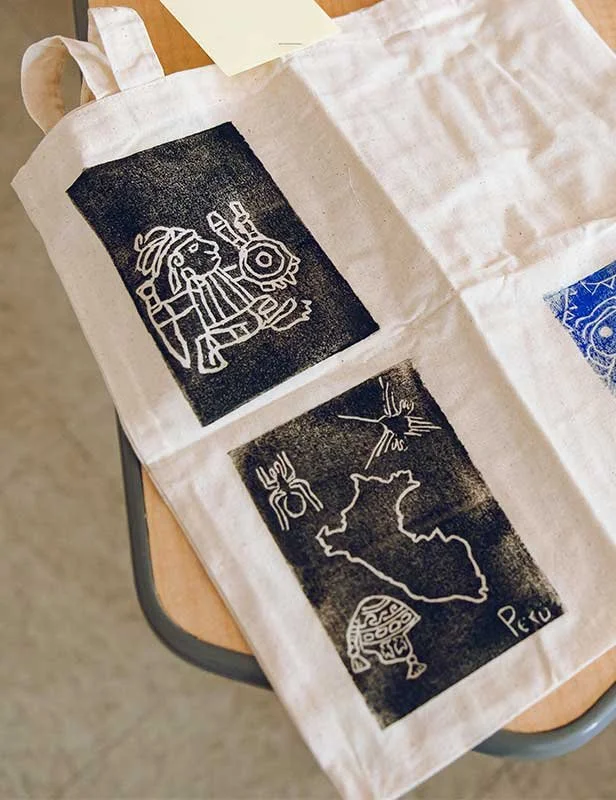
All the students get a guided tour of the NMMA exhibit. “The students are very excited to see in person the works of art that they learn about in their classrooms,” says Marilyn Lara Corral, arts integration schools manager at the NMMA. At the end of the year, the teachers discuss their classrooms’ art projects with the rest of the Nuestras Historias cohort. In Zepeda’s classroom, her students drew self-portraits and sewed them onto mercado (market) bags along with images representing their various cultures, such as flags and foods. Students whose families came from Colombia or Venezuela learned that the flatbreads they call arepas are similar to what students of Honduran or Salvadoran descent call pupusas. Zepeda’s students learned to connect with each other by discovering parallels between their cultures. “The project helped them a lot with their social and emotional learning,” Zepeda says.
Zepeda’s experience with the mercado-bag art projects, which she has continued to teach, resonates with other Nuestras Historias experiences, Corral says. “As they share stories about their artwork, the students feel a stronger connection with their teachers and peers,” she says. Teachers in the NMMA program also see notable improvements in student attendance and behavior. One student, Corral recalls, had never spoken a single word in class until the day she presented her artwork: a sculpture representing her family’s traditions, inspired by the work of Chicana artist Carmen Lomas Garza. “The entire class cheered, and even the teacher had tears in her eyes,” Corral says.
As students’ interpersonal connections grow, so do their art skills. In surveys, 100 percent of participating teachers say they strongly agree that they gain knowledge about Mexican art, culture, and history and that they know how to increase their students’ art appreciation.
While Nuestras Historias reaches 20 teachers each year, the NMMA has begun expanding access to both its professional development for teachers and its arts learning for students. During one-day sessions for large groups of teachers, the museum provides condensed versions of its Nuestras Historias offerings, such as written instructions on integrating art into the classroom. In each of the program’s first two years, more than 100 teachers participated. The NMMA has broadened access further by providing Nuestras Historias curricula on the museum’s website.
Young people also enjoy expanded arts learning opportunities at the NMMA’s new learning space, Yollocalli Fire Station, a former firehouse in Little Village. With four art studios, the facility, which opened in 2025, offers free art and culture programs to people ages 13 to 24.
The museum’s various arts learning opportunities draw students outside of themselves to experience and better understand the world around them.
Nancy Alvarado, a teaching artist for the NMMA, remembers one student who had never left her neighborhood of Little Village. For this student, traveling with her classmates to see the NMMA in Pilsen was a life-changing event. “They didn’t know the NMMA was a free museum or that they could access it,” Alvarado says. “The student realized this was a place they could go and take their friends and family. They saw themselves in the artwork at the NMMA.”