
News
Spotlight: Employment Program
June 23, 2026
Staying the Course: Vocational Training in a Time of Uncertainty
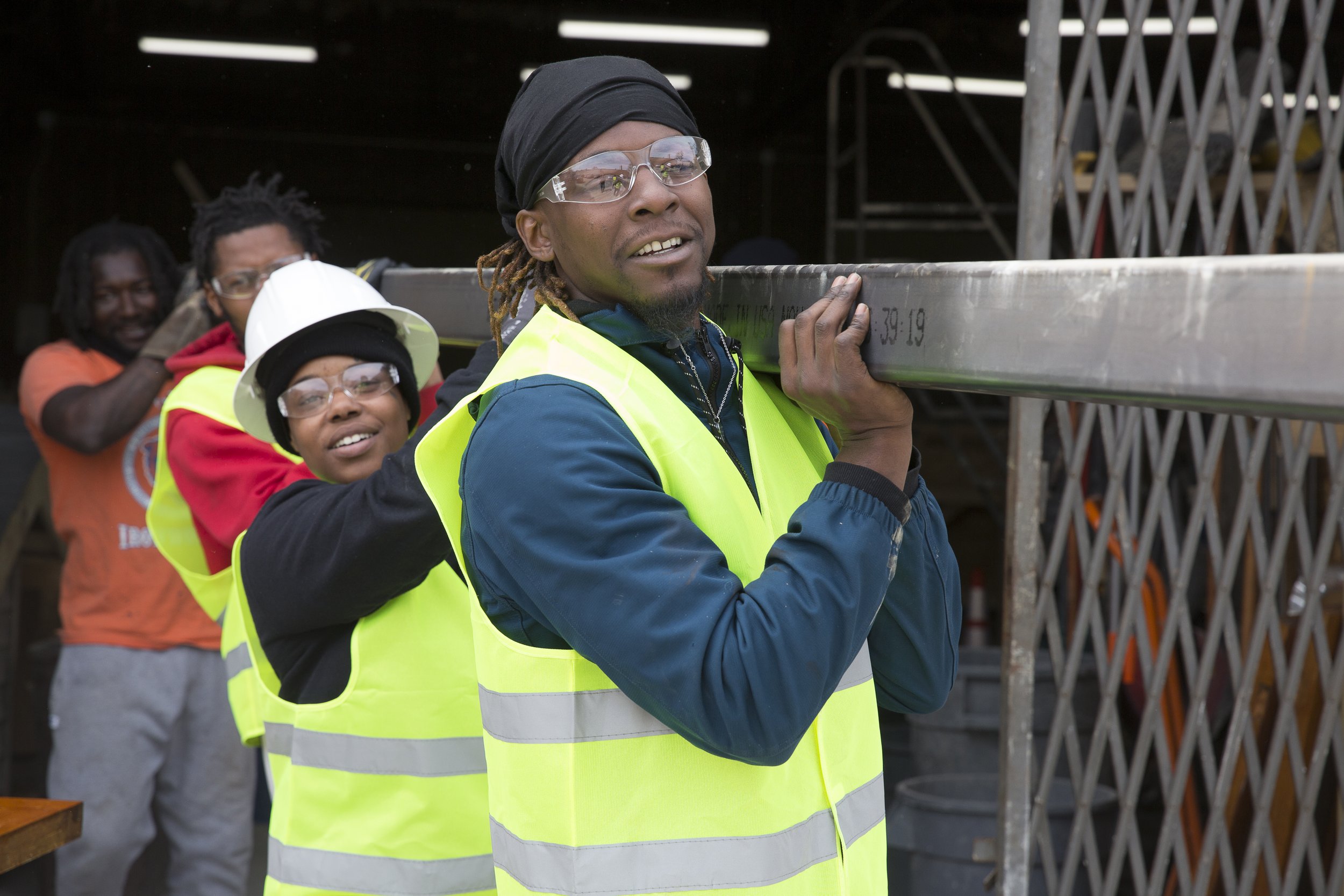
The Fry Foundation's Employment Program supports vocational training providers that prepare low-income job seekers for careers in healthcare, construction, technology, and transportation. These are fields that offer living wages and long-term stability, and that represent a significant share of employment across Illinois. For job seekers who do not have a four-year degree, vocational training is one of the most reliable pathways to economic mobility. The organizations the Foundation supports have spent years building the employer relationships, curriculum, and participant support structures that make that pathway real.
What partners did under these conditions is worth noting. Greater West Town Community Development Project and New Moms distributed food and grocery gift cards when participants' SNAP benefits were interrupted. PODER and Revolution Workshop conducted proactive outreach to employers to clarify legal hiring requirements and protect established employment pipelines. Cara Collective expanded its mental health partnership to provide participants with immediate access to counseling. North Lawndale Employment Network increased financial coaching capacity to help participants manage benefit eligibility alongside transitional wages. These are not small adjustments. They reflect organizations that have built deep enough relationships with the people they serve to respond when circumstances shift unexpectedly.
Program outcomes have also remained strong. The Chicago Urban League's pre-apprenticeship program placed graduates on some of the city's most significant construction projects. Per Scholas embedded AI training into its technology curriculum to meet emerging employer demand. Instituto del Progresso Latino's Carreras en Salud program achieved nursing college accreditation, expanding opportunities for the low-income Latino families it has served for two decades.
The Fry Foundation is proud to support this work and committed to continuing to do so. We will remain close to our partners as the landscape evolves, with the aim of ensuring that these pathways remain open to the Chicagoans who need them most.