
2025 Annual Report
Our Mission
The Lloyd A. Fry Foundation is dedicated to improving the lives of the people of Chicago faced with challenges rooted in the systems of inequity. We partner with effective nonprofit organizations that share our commitment to building a community in which all individuals and families have the opportunity to thrive. Our vision is a Chicago that offers education, opportunity, health, and hope for all.
About the Foundation
In 1933, Lloyd A. Fry founded the Lloyd A. Fry Roofing Company on the Southwest Side of Chicago. During the next five decades, the company grew to become the world’s largest manufacturer of asphalt roofing and allied products, with nearly 5,000 dedicated employees in manufacturing facilities nationwide. The company was sold to Owens-Corning Fiberglass Corporation in 1977. In large part, the proceeds from the sale of the company now serve as the endowment of the Lloyd A. Fry Foundation. The Foundation has been addressing the needs of the Chicago community since 1983.
Data Drives Real Change
In this year’s annual report, we highlight how data helps drive real change for the individuals and communities served by our grantees.
While the Lloyd A. Fry Foundation provides grants to organizations working in arts learning, education, and employment, the ultimate impact is measured in the lives improved across Chicago.
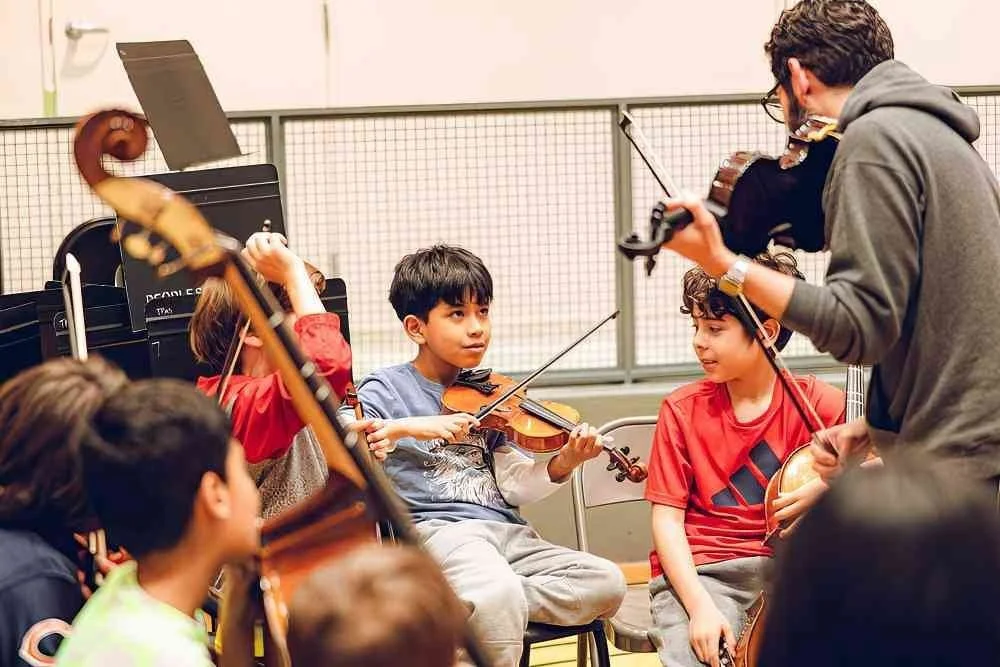
At The People’s Music School, data informs strategies that keep young musicians engaged over many years, helping them grow artistically and personally.
In Chicago Public Schools, new tools from the University of Chicago Consortium help schools track students’ daily learning experiences and use the data to work with students on improving them.
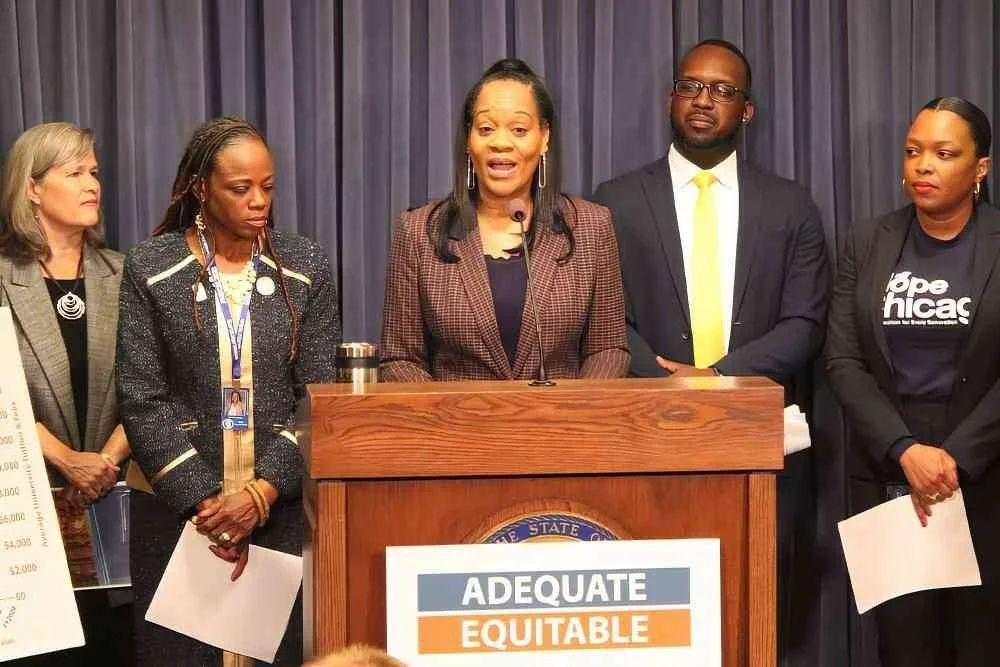
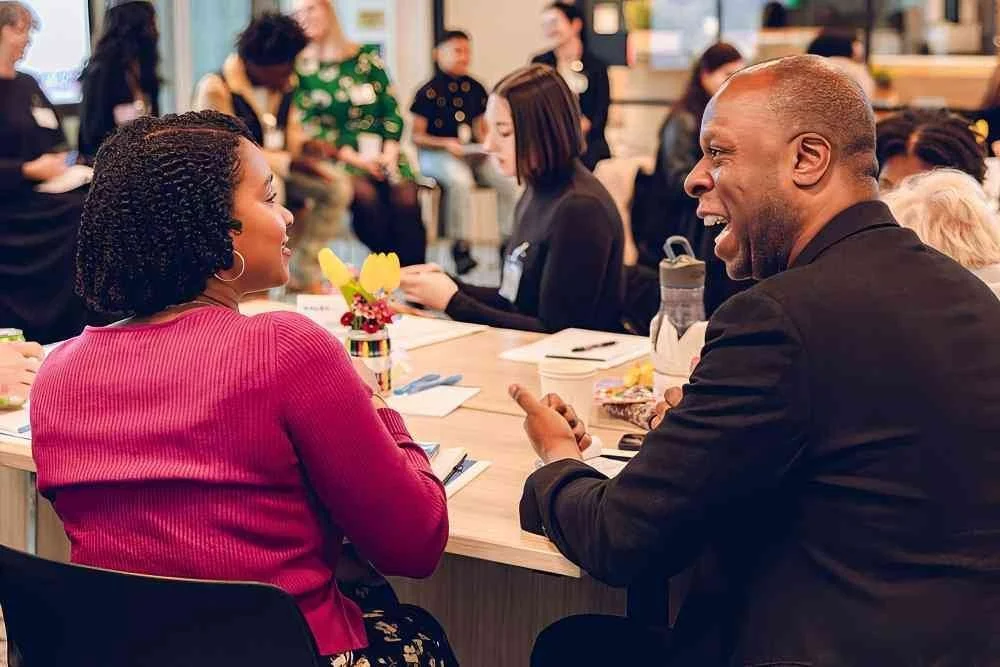
And at Women Employed, data is a powerful tool to advance equity, shaping efforts to support Black and Latinx women in low‑wage jobs.
These stories, and the data behind them, reflect our belief that meaningful change is both measurable and human.
Our grantees’ commitment to using data ensures that their impact is deep, lasting, and growing.
Letter from the Chair
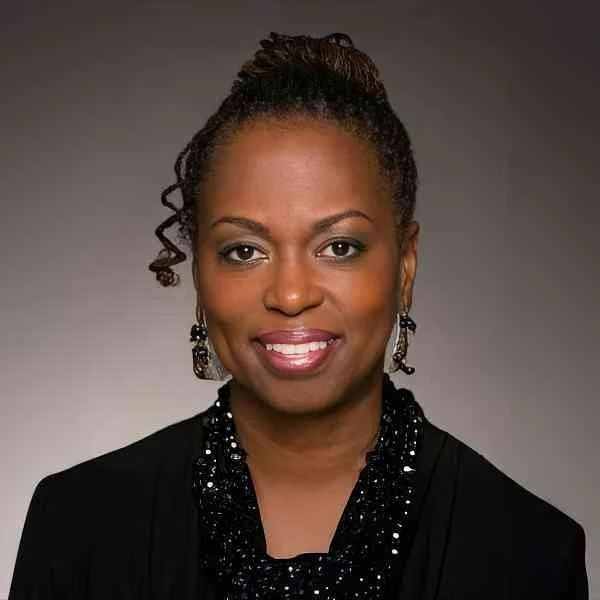
In this fast-paced environment, change has come very quickly. My two years as Chair for the Lloyd A. Fry Foundation flew by! There have been wonderful highlights I will long remember—notably our joyful celebration of the Foundation’s 40th anniversary, welcoming a new board member, Librada Killian, and talented new staff. Yet, it’s also a bittersweet moment as we prepare to say farewell to our visionary and long-serving President, Unmi Song, who retires in December. Thus, my last months as Chair focused on what the next chapter for the Foundation might look like.
I’m deeply grateful for the care and thoughtfulness that my Board colleagues brought to our discussions as we considered important program shifts, notably the difficult decision to sunset the health program. Now, as we contemplate a change in leadership, we must also consider what the next era of the venerable Fry Foundation could and should look like. It’s not hard to imagine it will be a more challenging environment for the next Fry president considering the fraught and disruptive circumstances our nation faces at this moment. The headwinds impacting Chicago’s social, educational, and arts sectors compel us to frequently return to our north star—our core values, mission, and the principles of diversity, equity, and inclusion that are embedded in our work. In the face of such enormous change and uncharted paths ahead we know that Fry Foundation’s support—moral and financial—for our grantees and their work is more essential now than ever. Within our sector, we stand with our fellow philanthropic institutions to push back on egregious assaults to our democracy and to uphold our sense of civic responsibility and our commitment to the fundamental importance of truth and integrity.
Thankfully, my time as Chair wasn’t confined to addressing the troubling national climate. Led by our talented program officers, the Foundation’s investments in education, arts learning, and employment provided gratifying moments of learning about the extraordinary work of our grantees. We are increasing our investment in these areas as we continue to ponder what the present moment will require to advance our mission and civic responsibility. Clearly, neither the Foundation nor the philanthropic sector has sufficient resources to effectively address the myriad challenges resulting from the destruction of so many vital institutions, programs, and services. So, our forward strategy must be laser-focused on where and how our grantmaking can bolster and sustain essential work that meets the challenges of the moment. In this regard, I’m grateful to have had alongside me distinguished colleagues—Graham, Librada, Chip, Stephanie, and Scott—as we debated how, when, and where to respond. Working with our nonprofit partners, we hope to intuit what future needs will be and how our modest resources can advance opportunity, comfort, and care to those most in need. This harkens back to the founding principles that have always guided our work: service, partnership, and innovation. To these, I would add courage. We must be steadfast and vigilant to ensure our democracy survives as we boldly move forward with you into this new era.
— Amina Dickerson, Chair
Letter from the President
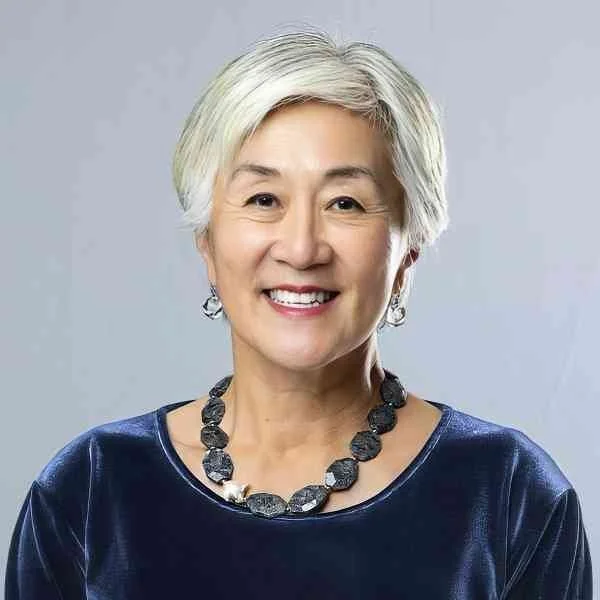
I am deeply honored and grateful to have served the Lloyd A. Fry Foundation and its grantees for what will be 22 years this coming December. It has been a privilege to work alongside colleagues who, year after year, have remained unwavering in their commitment to serving low-income families in Chicago and addressing systemic inequities.
I am enormously proud of the institution that we have built together. Our staff—past and present—are knowledgeable, smart, and most importantly, open and welcoming to prospective grantees in the city. Our grantmaking is discerning, strategic, and transparent. We strive to be responsive to the needs of grantee partners, which requires finding the right balance between being a steady, reliable funder and being willing to take the risks necessary to support innovations and experiments that don’t always work out exactly as planned—a lot like life in general!
The real skill of program staff is in listening to and learning from our grantee partners. Our work has never been about simply choosing the “best” projects or dictating what needs to be done. Instead, it’s about identifying strategies to investigate critical questions and testing new approaches. Through that process, we have helped advance important developments in the fields in which we fund. Our grantees are national leaders, recognized for their innovative practices and their determination to disrupt the cycle of historic racism. That commitment extends beyond our grantmaking to every part of our operations and investments―we are proud to have one of the most diverse sets of money managers of any Foundation we know.
The Foundation gave me immeasurable opportunities to grow and learn. Like our grantmaking, the work itself is constantly evolving and adapting to changing needs while staying focused on long-term challenges in our city. The Foundation’s dedication to understanding complex community issues, wrestling with the nuances of strategic decision-making, and taking informed risks has made this work both challenging and deeply meaningful. It has been the Foundation’s commitment to doing what is right for our grantees that has made me feel I had a home all these years.
— Unmi Song, President
ARTS LEARNING
The People’s Music School
The Fry Foundation “…plays an incredibly valuable role in Chicago’s cultural landscape. A lot of funders fund either the arts or education, but not arts education. The Fry Foundation understands arts learning is important for Chicago kids. It’s because of organizations like the Fry Foundation, with its specific arts learning portfolio, that we can do what we do at all.”
Miriam Goldberg Owens, President and CEO, The People’s Music School
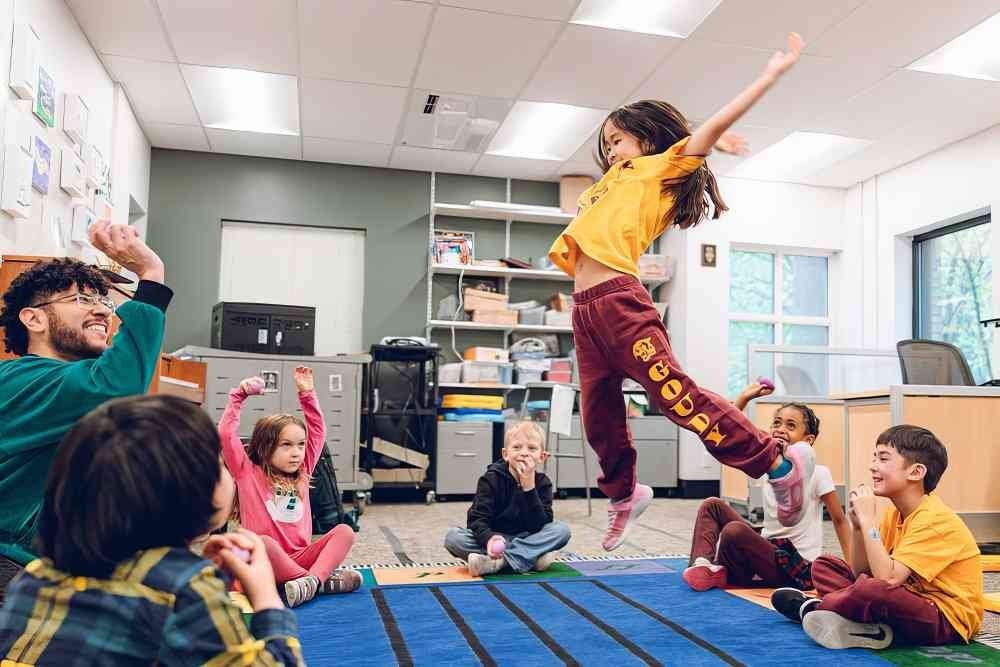
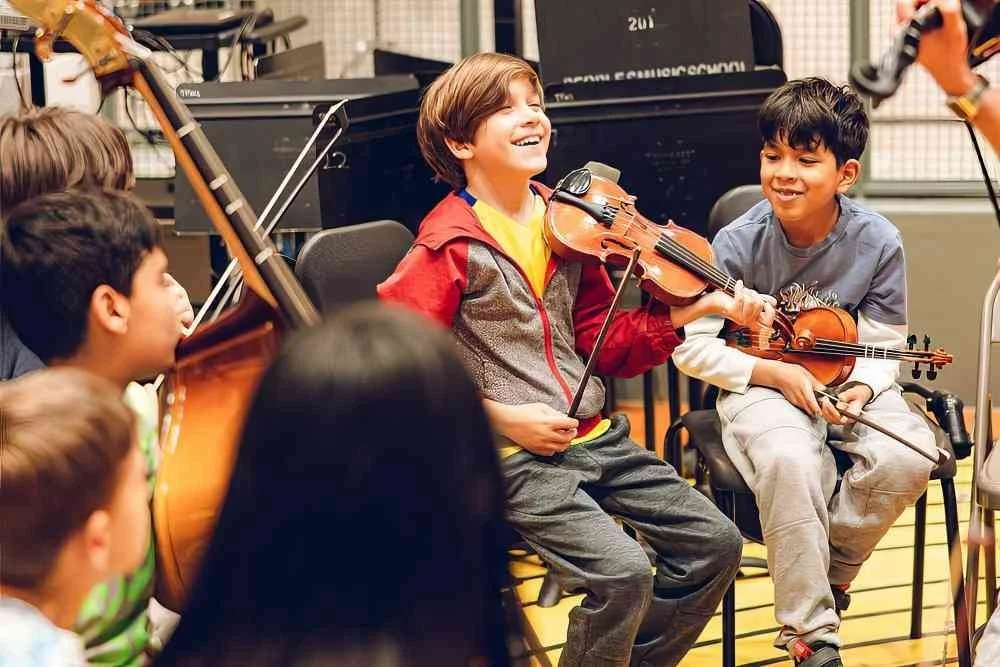
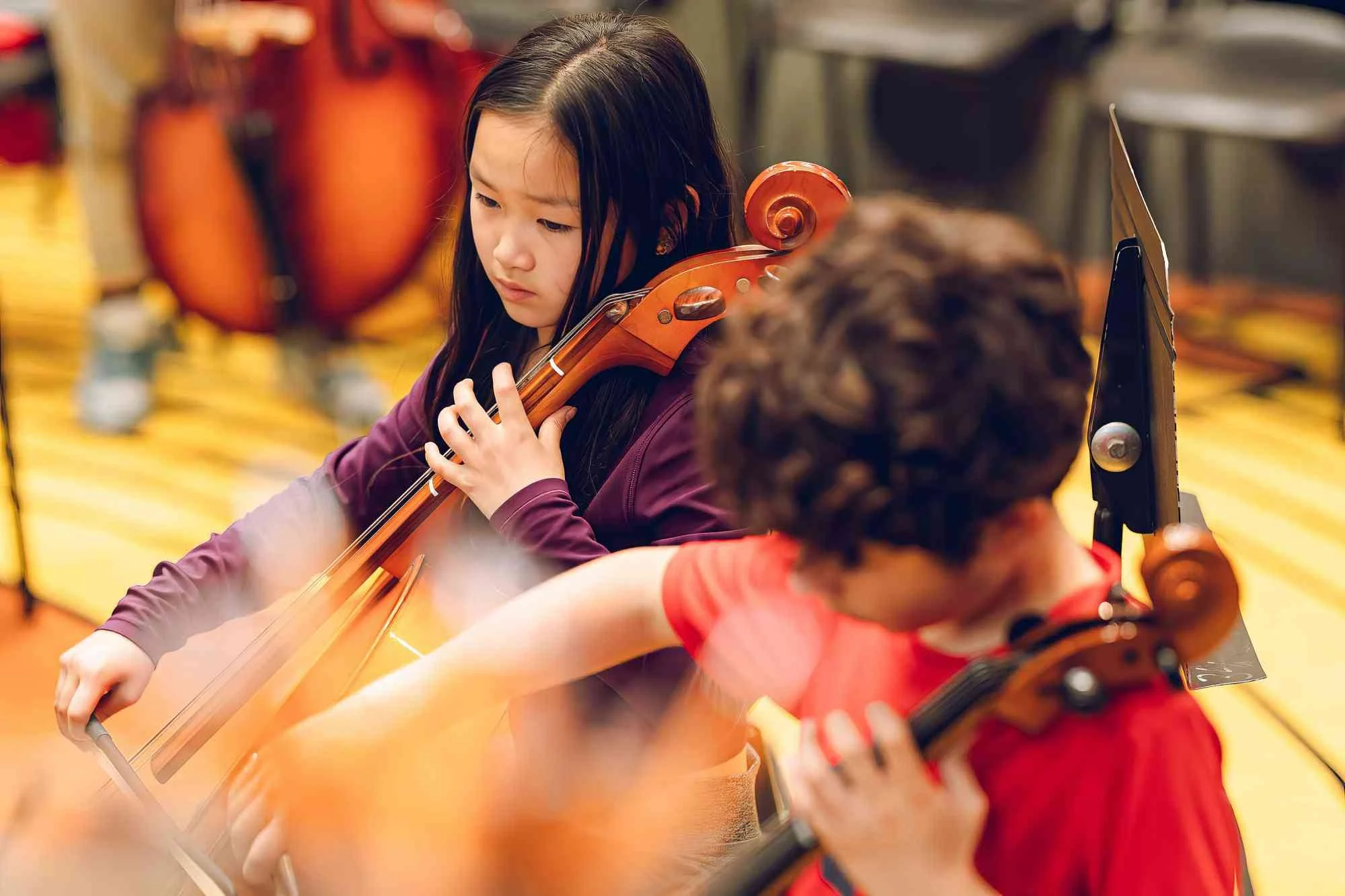
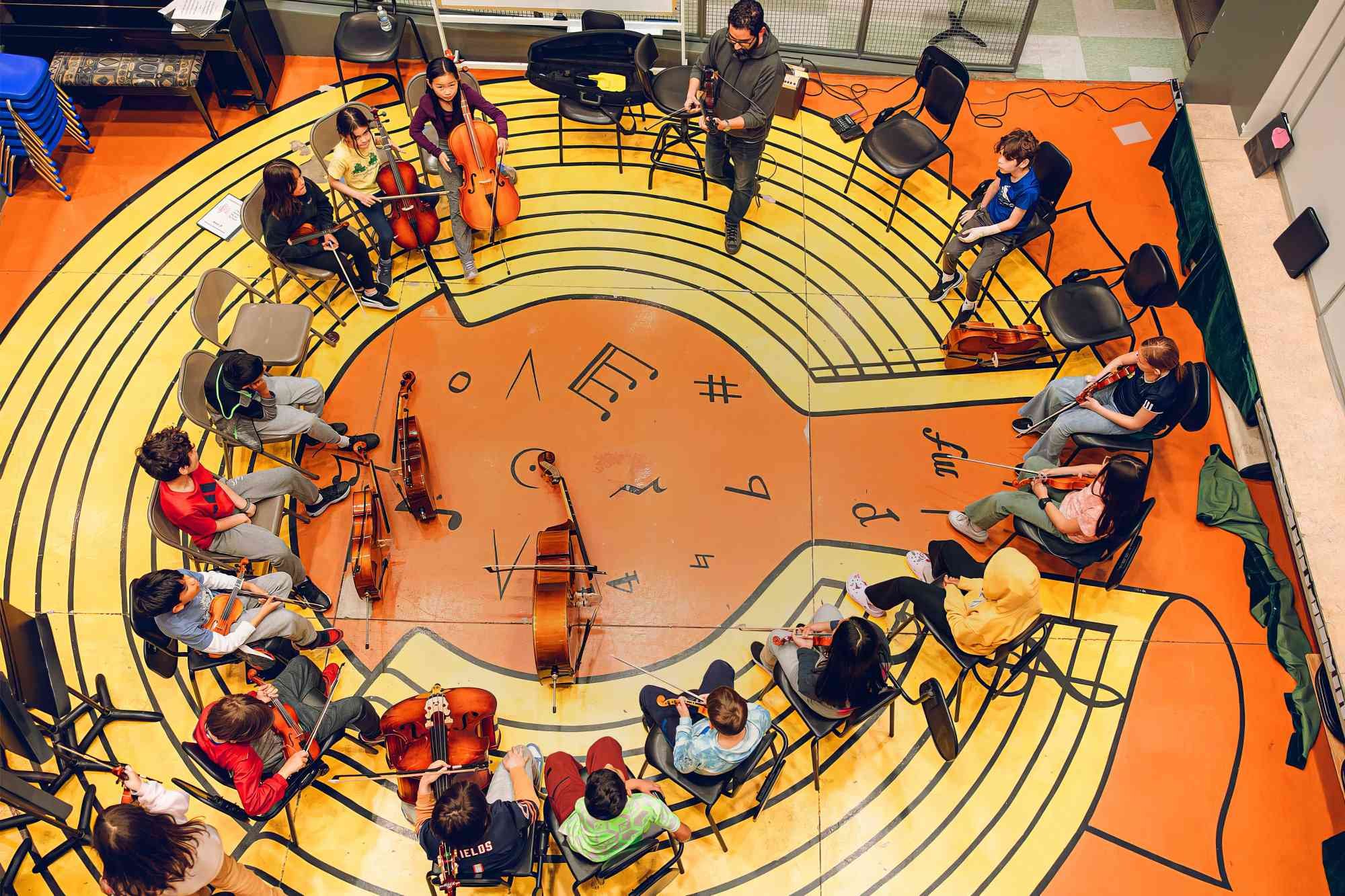
It takes years to learn how to play an instrument and develop one’s musical ability. That’s why The People’s Music School (TPMS), which has provided tuition-free music instruction since 1976, works to ensure its students stay with the program for the long term. The longer they stay, the better they get—and the more benefits they realize both musically and personally.
“For me, retention is the most important metric because that’s what creates transformation,” says Miriam Goldberg Owens, President and CEO, TPMS.

By gathering and analyzing various metrics, including retention, TPMS can develop strategies to encourage students’ sustained engagement with music education.
Each year, TPMS teaches over 800 first through twelfth graders through its community-based sites in Albany Park, Back of the Yards, and the Greater South Side, in addition to its original Uptown location. At the three community-based sites, students each week receive four hours of after-school instrumental and ensemble instruction, and they perform multiple times a year. At the end of each year, faculty members assess students’ musical ability and knowledge, then determine if the students can progress to the next curricular level, ranging from one to 10.
Historically, TPMS measured retention only within each academic year. But in the 2022-23 school year, the organization started tracking retention from one year to the next. TPMS also began asking students who chose not to continue with the program why they left. From these metrics and exit interviews, TPMS found a direct link between students’ improvements in music and their desire to stick with it. Students who did not progress to the next level after a few years faced high odds of dropping out.
“Even at the beginner levels, students need to feel like they’re getting better,” says Kelly Dennis, Senior Manager of Student Data and Systems, TPMS.
By diving more deeply into its data, TPMS realized that, in particular, violin students were less likely than others to progress to the next level. While TPMS has more students playing violin than any other instrument, only 30% of violin students moved to the next level, compared to 54% of all music students.
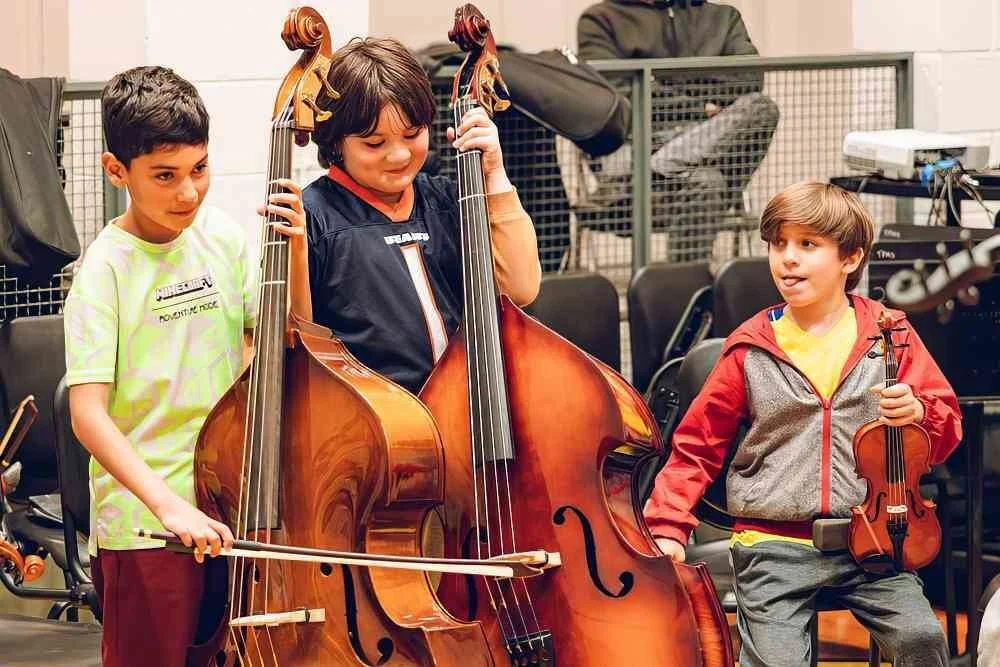
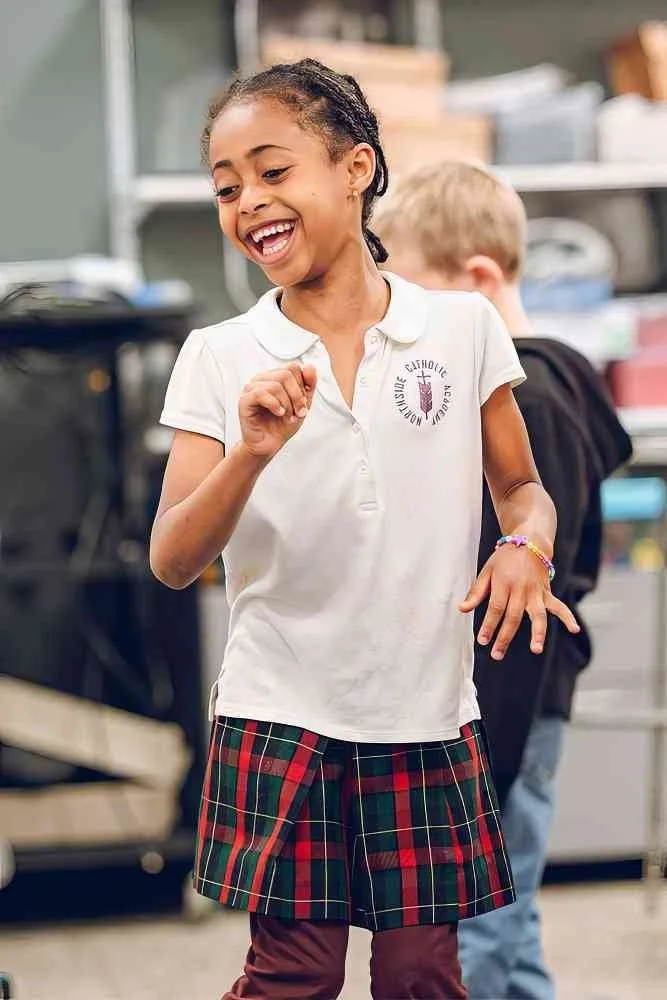
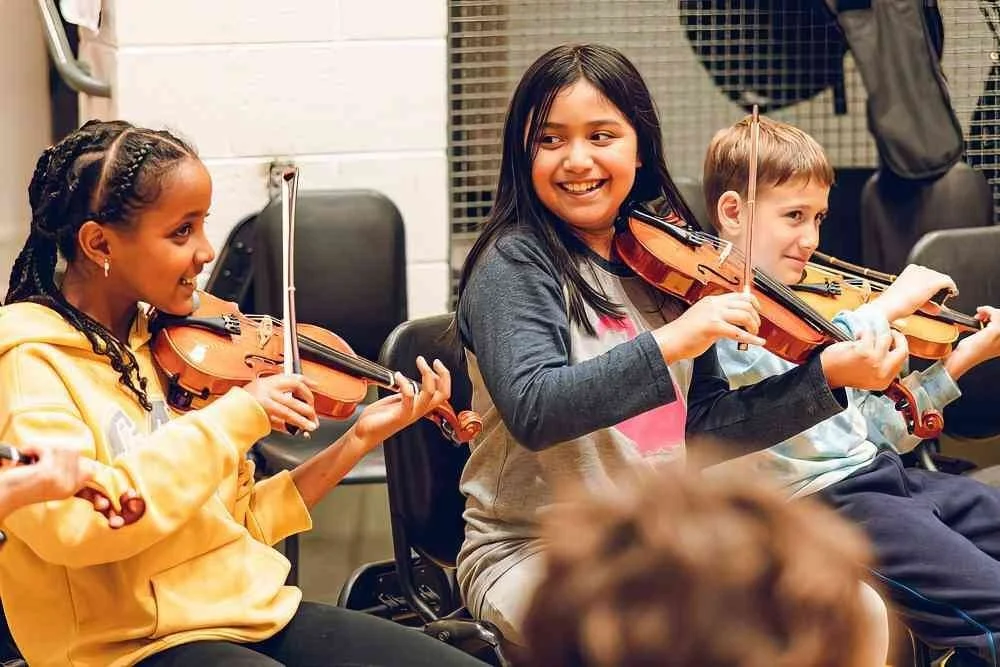
“We found in the data that students in strings were staying a long time in the beginner levels,” says Felipe Tobar, Learning and Teaching Associate, TPMS. And when they remained in the same level, sometimes for years, students’ motivation and interest declined.
Looking closely at the violin curriculum, TPMS leaders realized that violin students had been expected to learn more complicated skills than their peers. So, in 2024-25, TPMS revamped its violin curriculum so that learning goals are consistent across all 20 instruments. “It’s not about lowering expectations; it’s about ensuring our level of rigor is better calibrated across instruments, so students are more likely to grow over time,” Owens says. TPMS similarly revised the curriculum for percussion students.
The results have been significant: In one year’s time, from 2023-2024 to 2024-2025, the progression rate for violin students jumped from 43% to 77%, and for percussion students from 52% to 93%.
From its exit surveys with students, TPMS learned that another big reason students leave is to pursue other interests. To foster a more exciting and engaging learning experience, TPMS now encourages teachers to devise music-learning games, celebrate even seemingly small student improvements, and select music that reflects their students’ cultures and backgrounds.
“That way, we can program music that connects with our students,” Dennis says. Tobar, for example, teaches pop songs that his students express interest in learning and that require similar skills as classical music.
TPMS also has helped students remain engaged by creating honors-level ensembles at the three community sites. As a result, more advanced students can participate in more challenging ensemble work. “This creates an opportunity for students to have a better experience with their ensemble,” Tobar says.
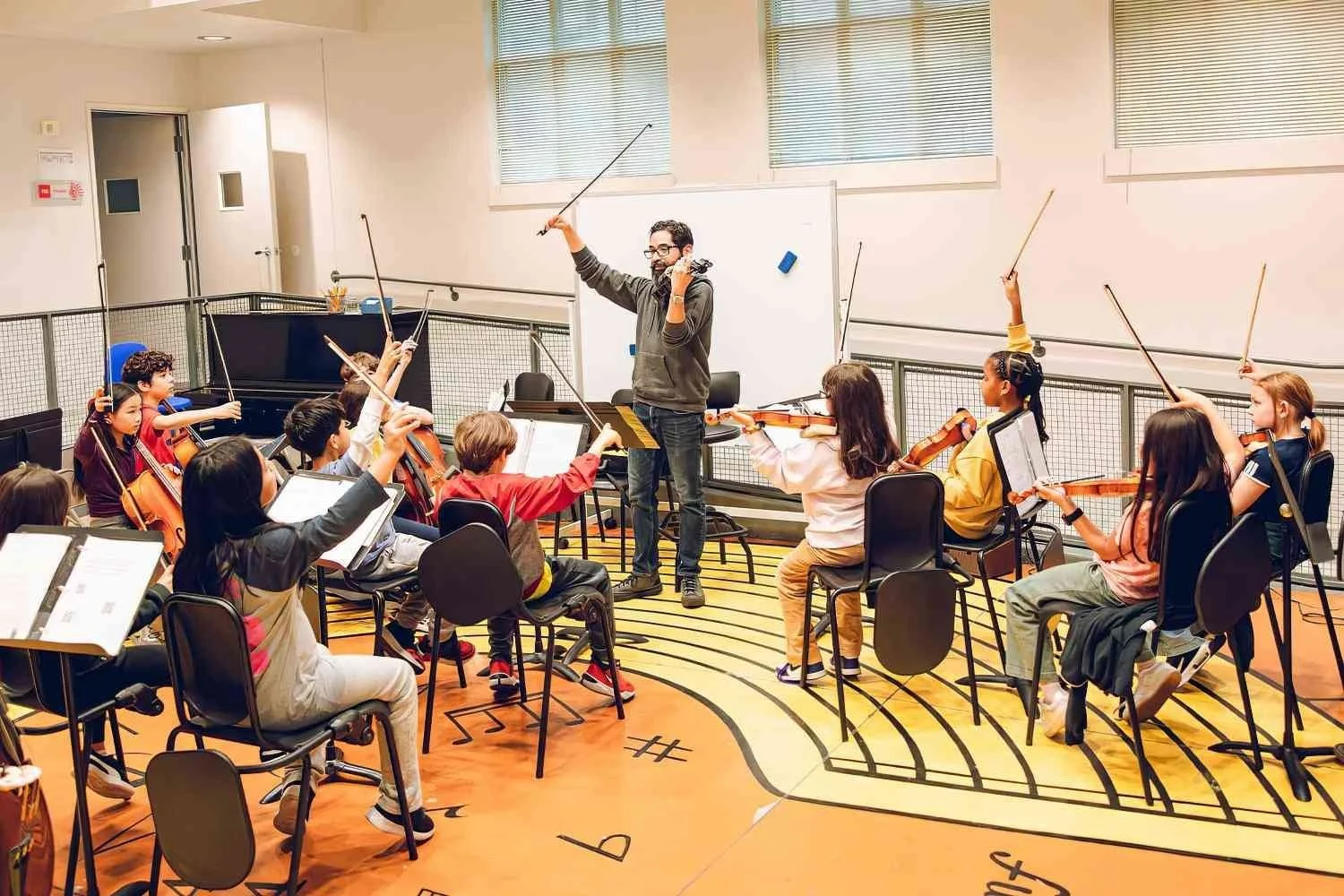
In addition, TPMS bolsters retention by tracking student attendance (“an indicator of future retention,” Dennis says) and by sharing more information about the program with prospective participants. Before students can join, TPMS now requires them to attend one of several open house information sessions. “The more they know before they sign up, the more likely they are to stay in the program for several years,” Dennis says.
It’s not just the violinists and percussionists who have benefited from the increased efforts to boost progression and retention. For students of all instruments, the progression rate climbed from 54% in 2023-2024 to 70% the following year. Moreover, in the 2024-25 school year, TPMS retained 78% of its students—up 10 percentage points from just two years earlier.
TPMS is more fully leveraging its internal data by understanding it in relation to external metrics, such as the connection between students’ music learning and their academic grades. While it knows that 95% of its seniors go to college, TPMS has begun to cull other metrics such as the percentage of alumni who graduate from college. And as part of El Sistema USA, a national network of music education programs, TPMS has been participating in a nationwide study that will shed light on the impact of music education on students’ life outcomes.

EDUCATION
University of Chicago Consortium on School Research
The Fry Foundation “…provides an opportunity for schools and educators to see what’s possible when we partner with students. The Fry Foundation’s program officers have been incredible thought partners we can lean on for support in thinking about the educational ecosystem and about the barriers to transforming systems and how to overcome them.”
Shanette Porter, Director, Learning and Development Group, University of Chicago Consortium on School Research
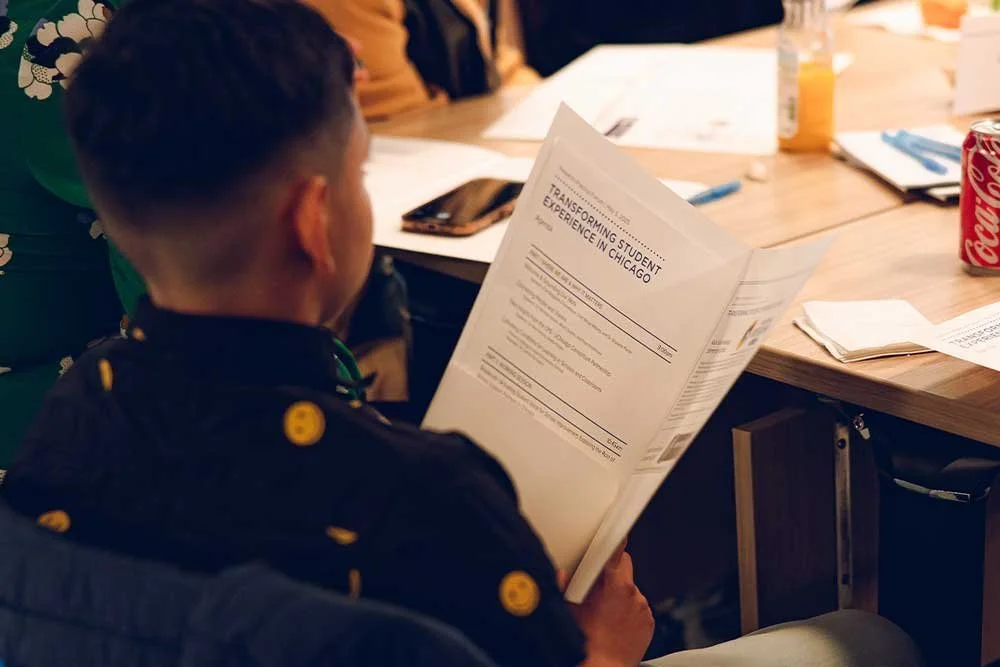
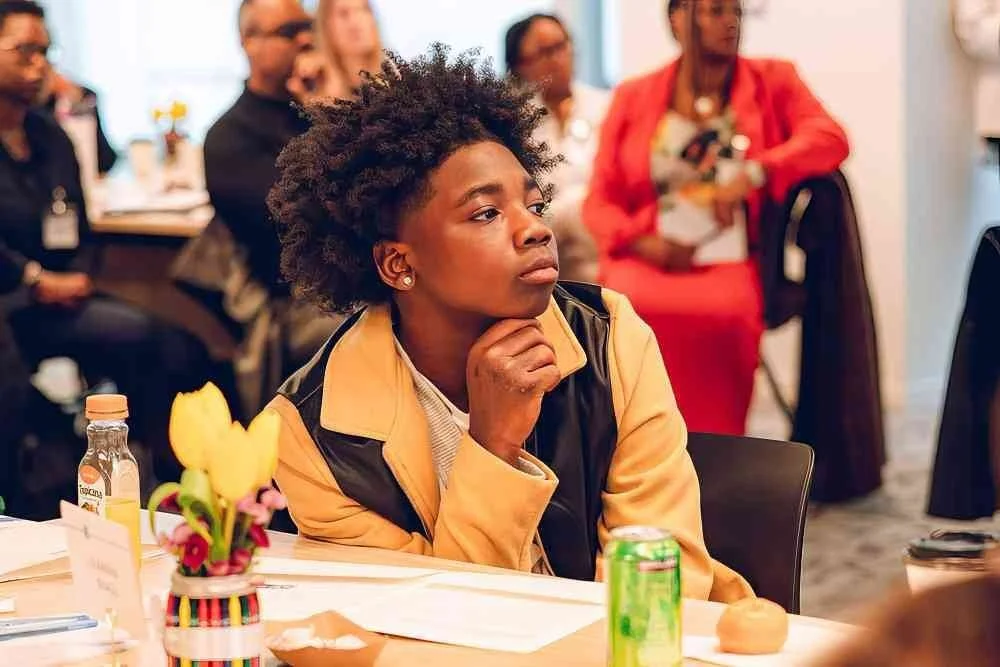
When students do well in school, it’s not only because of their academic abilities and interests. Their scholarly success also hinges on the learning environments their teachers create.
Based on data from thousands of students, the University of Chicago Consortium on School Research (the Consortium), which conducts research to improve policy and practice in Chicago Public Schools (CPS) and beyond, has found that learning environments directly affect students’ belief in their own capacity to learn. And the more that students believe in themselves as learners, the better their academic outcomes.
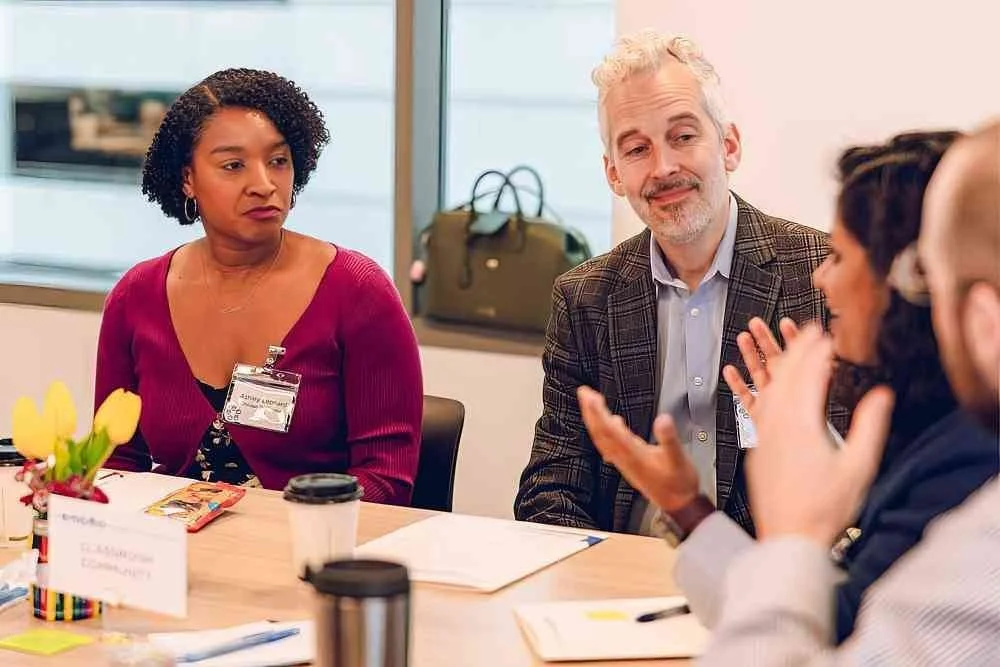
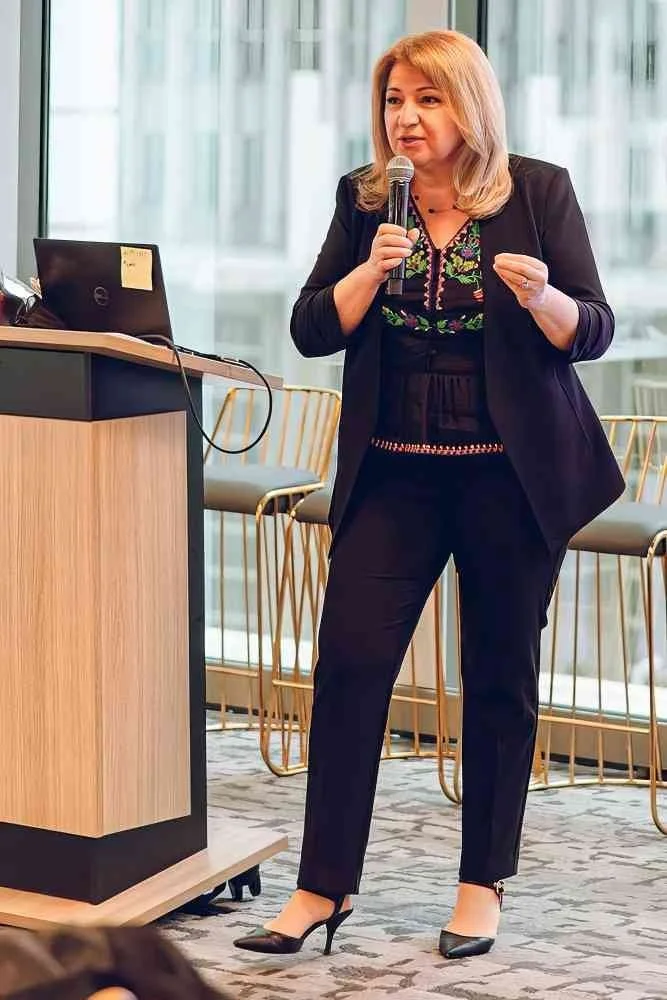
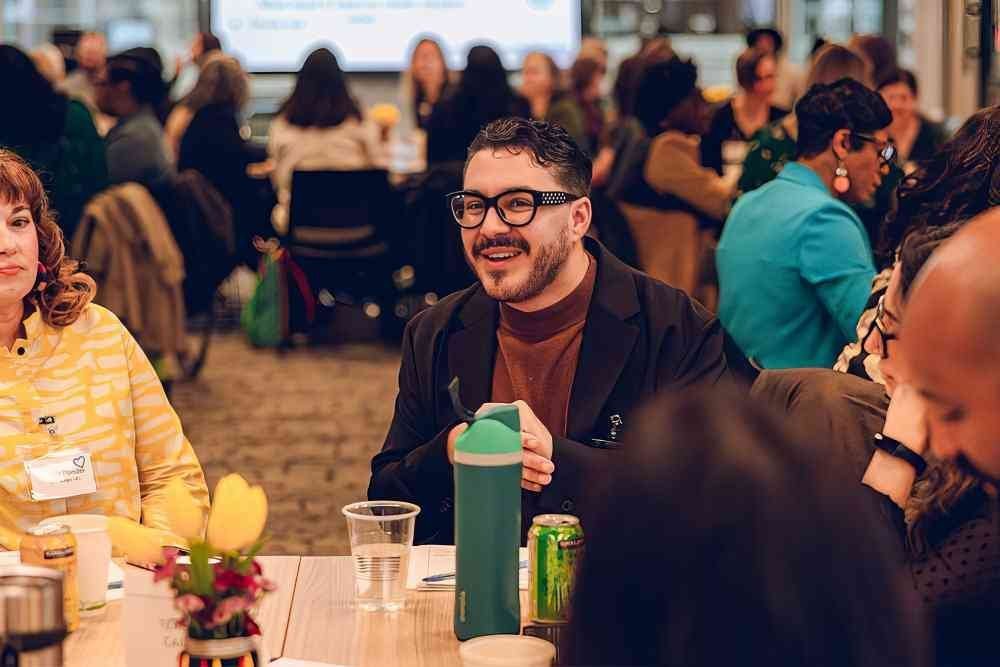
To help Chicago teachers more fully understand the learning environments they create in their classrooms, the UChicago Consortium devised Cultivate—a survey that, critically, asks students about their classroom experiences. “You cannot improve students’ experiences without hearing from them in their voices,” says Shanette Porter, Research Assistant Professor and Director of the Consortium’s Learning and Development Group, which conducts and translates research for educators. The Cultivate survey looks at both academics and social and emotional development, Porter adds. “Academic achievement and social and emotional development are flip sides of the same coin. You can’t have one without the other.”
The Cultivate survey comprises roughly 70 questions that students answer in about 10 minutes. Twice a year, Cultivate asks students in the fifth through twelfth grades their thoughts on nine learning conditions, such as meaningful schoolwork, learning goals, caring and supportive teaching, and teacher feedback. “Cultivate measures the things that teachers have control over in the classrooms,” says Faye S. Kroshinsky, Director, Youth Initiatives, Learning and Development Group. With Cultivate, students also report on their own learning beliefs, such as believing that they are valued, empowered, and capable, and thatclass is meaningful. Lastly, Cultivate asks students if they believe their responses will be used to improve their school.
A few weeks after students take the survey, the Consortium provides schools with reports featuring written and graphic breakdowns of the data, so that educators can view the survey results across factors such as grade level and demographics. Educators can see, for instance, the percentage of students in a sixth-grade math class who agree that their classroom is a welcoming place for everyone. The Consortium’s reporting site also provides practical resources, including research and recommendations.
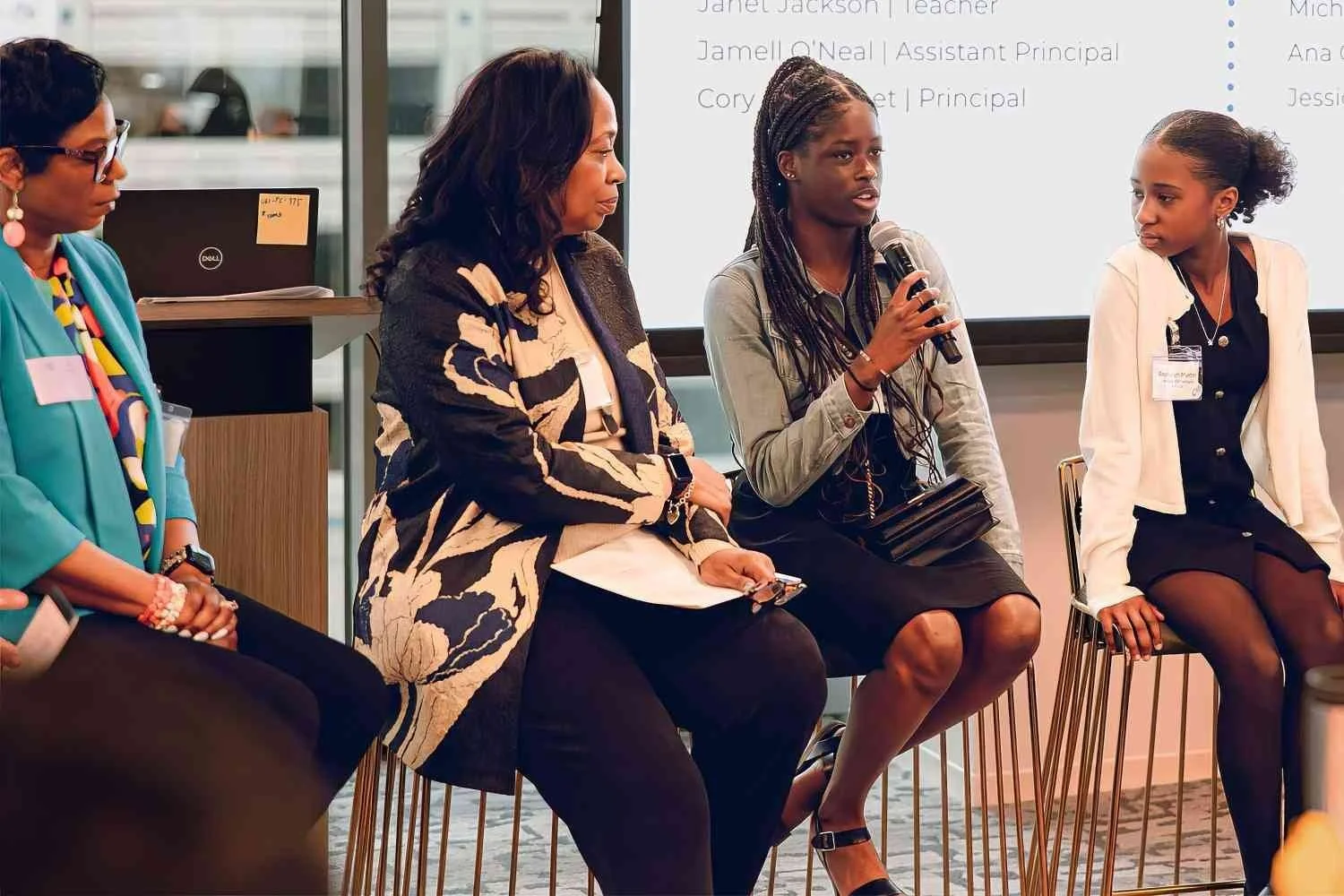
To help educators act on their data, the Consortium encourages them to do exactly what Cultivate does: listen to the students. “Get into further conversation with students and engage in continuous improvement,” Porter says. In addition to engaging students, the Consortium advises educators to identify at least one learning condition they want to improve, and to gather a team of instructional leaders who can help enact the desired change. The Consortium also counsels educators to be transparent with students about the improvement they’re seeking and then follow up with students to see if it’s working. “Cultivate is the start of a conversation, not the end,” Porter says.
Carl Schurz High School in the Irving Park neighborhood knew exactly the learning condition it wanted to enhance after the school received a middling Cultivate score on teacher feedback. “Kids can’t succeed unless they get timely and meaningful feedback on mistakes they’re making,” says Amanda Glascott, Instructional Coach, Carl Schurz High School. With the Consortium’s support, the school’s teachers conducted interviews with students and studied research on how kids learn. Schurz High School’s leaders and teachers determined they needed to replace their existing pedagogic model, in which teachers provided instruction at the start of each class and then students worked for the remainder of that period. Now, teachers alternate between shorter intervals of instruction and class work, followed by actionable feedback. Students have reported more positive experiences with the feedback they receive, and indicators of their social and emotional learning also have improved. “We were super happy with that data,” Glascott says.
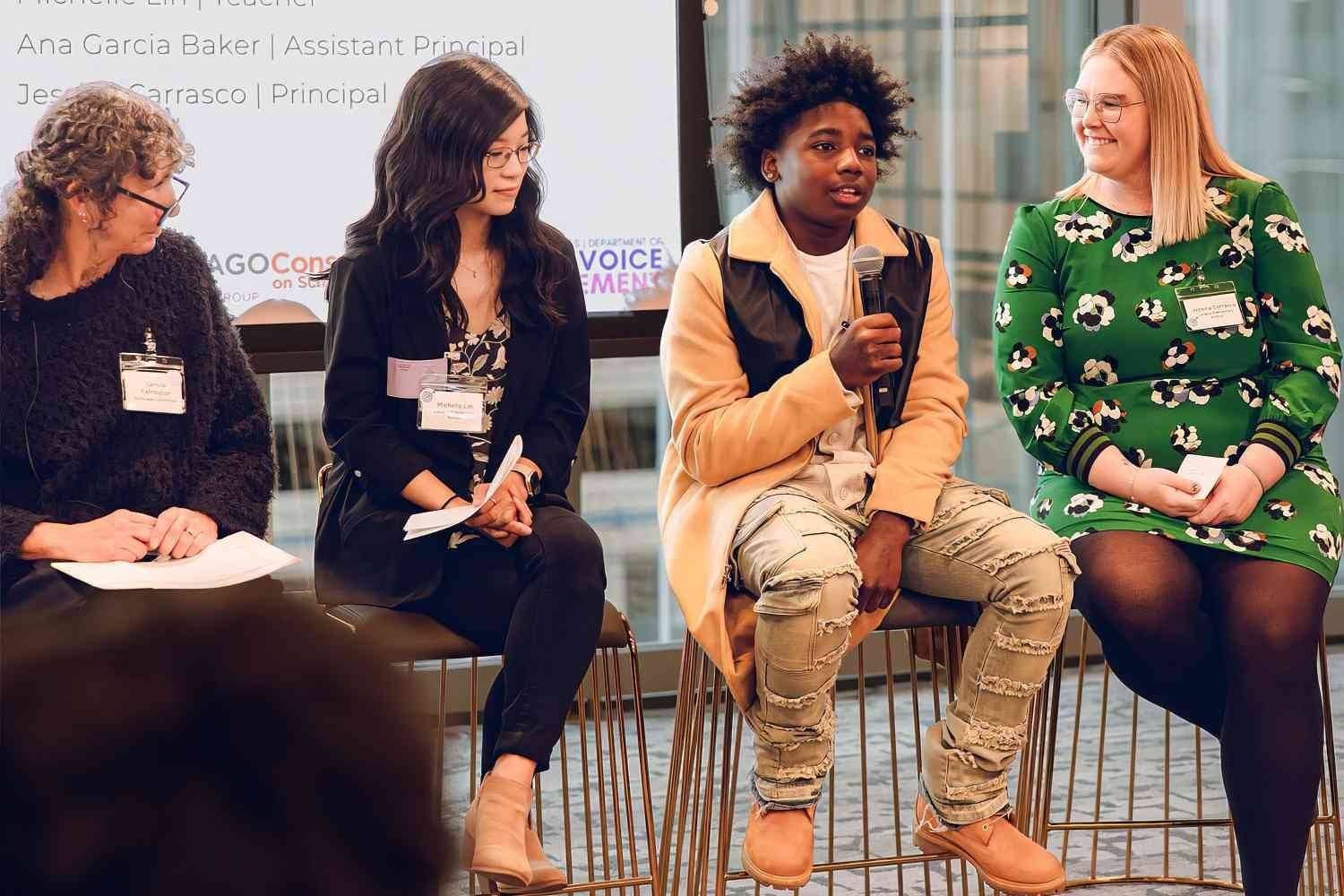
Since 2022-23, the first year that CPS conducted the Cultivate survey, the Consortium has made improvements of its own. The Consortium reduced the number of questions in the Cultivate survey by about one third, so that students can complete the questionnaire more easily and quickly. To help further its work, the Consortium has organized a collaborative consisting of leaders from CPS, the Chicago Teachers Union, professional learning providers, and community-based organizations—people who can help advance the system-level change the Consortium aims to achieve. The Consortium expects the collaborative will grow to include policymakers and parents. Also in the future, the Consortium hopes to fill the current Cultivate gap for pre-kindergarten through fourth graders.
While still in its early years, Cultivate already has had a notable impact—as the data attests. In the spring of 2023, 75 percent of CPS schools had at least half their students complete the survey. Just two years later, in the spring of 2025, that response rate climbed to 98 percent. Porter recalls an anecdotal moment that speaks to Cultivate’s impact: “A parent said, ‘I can’t believe we haven’t always had this in CPS,’” she says. “People are accepting as a critical part of schools that we listen to students.” Listening to students hasn’t always been an accepted best practice in education, Porter notes. Now, thanks in part to the Consortium’s research-driven work, listening and responding to what students say about their educational experiences is not only accepted but embraced.

EMPLOYMENT
Women Employed
The Fry Foundation “…has been a critical partner in our systems change work—work that often takes decades to do. The Fry Foundation stands alongside us and learns with us as we try things and pivot when we learn something new. The Foundation’s support ensures we see our work through not only the planning but also the implementation, so that we improve circumstances for women seeking work.”
Cherita Ellens, President and CEO, Women Employed
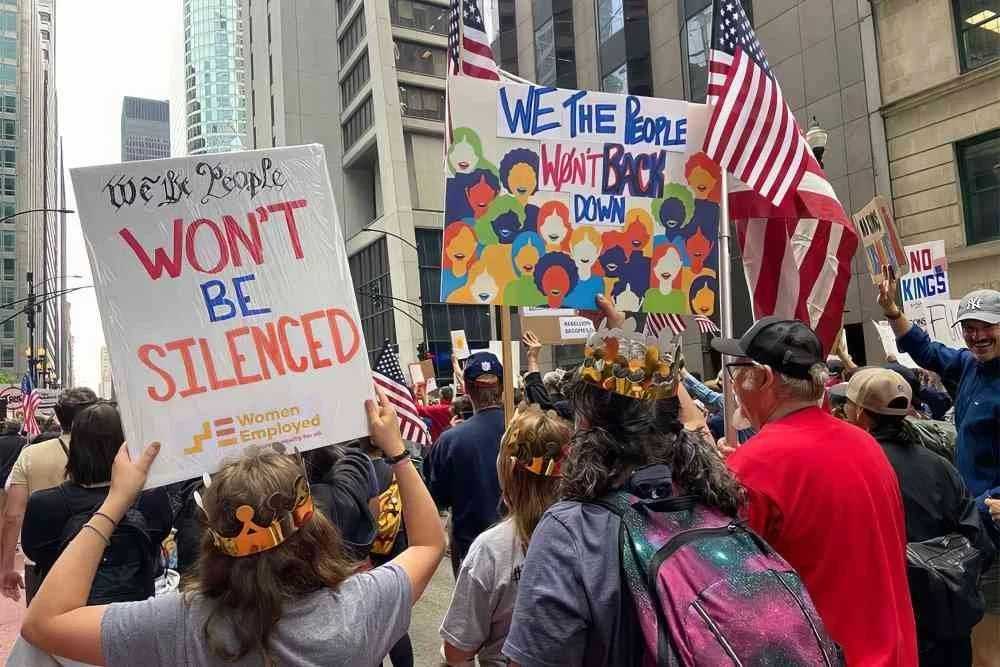
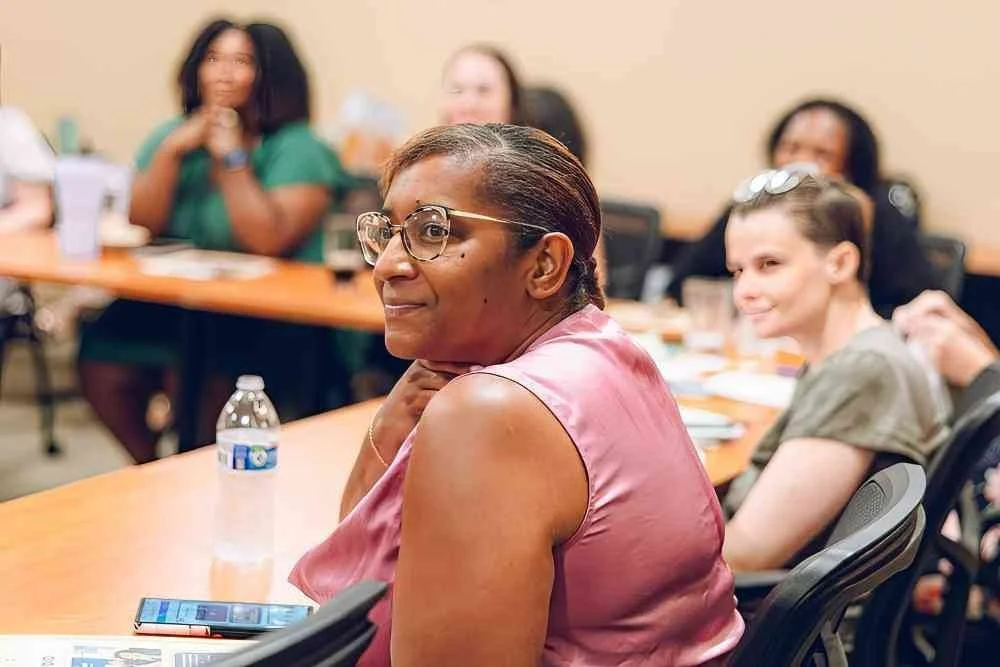
Finding work is hard enough. For women in low-paid jobs, it’s even harder to find good-paying careers—and more difficult still to advance in their careers. “Women deserve fair and unrestricted access to economic opportunities,” says Cherita Ellens, President and CEO, Women Employed.
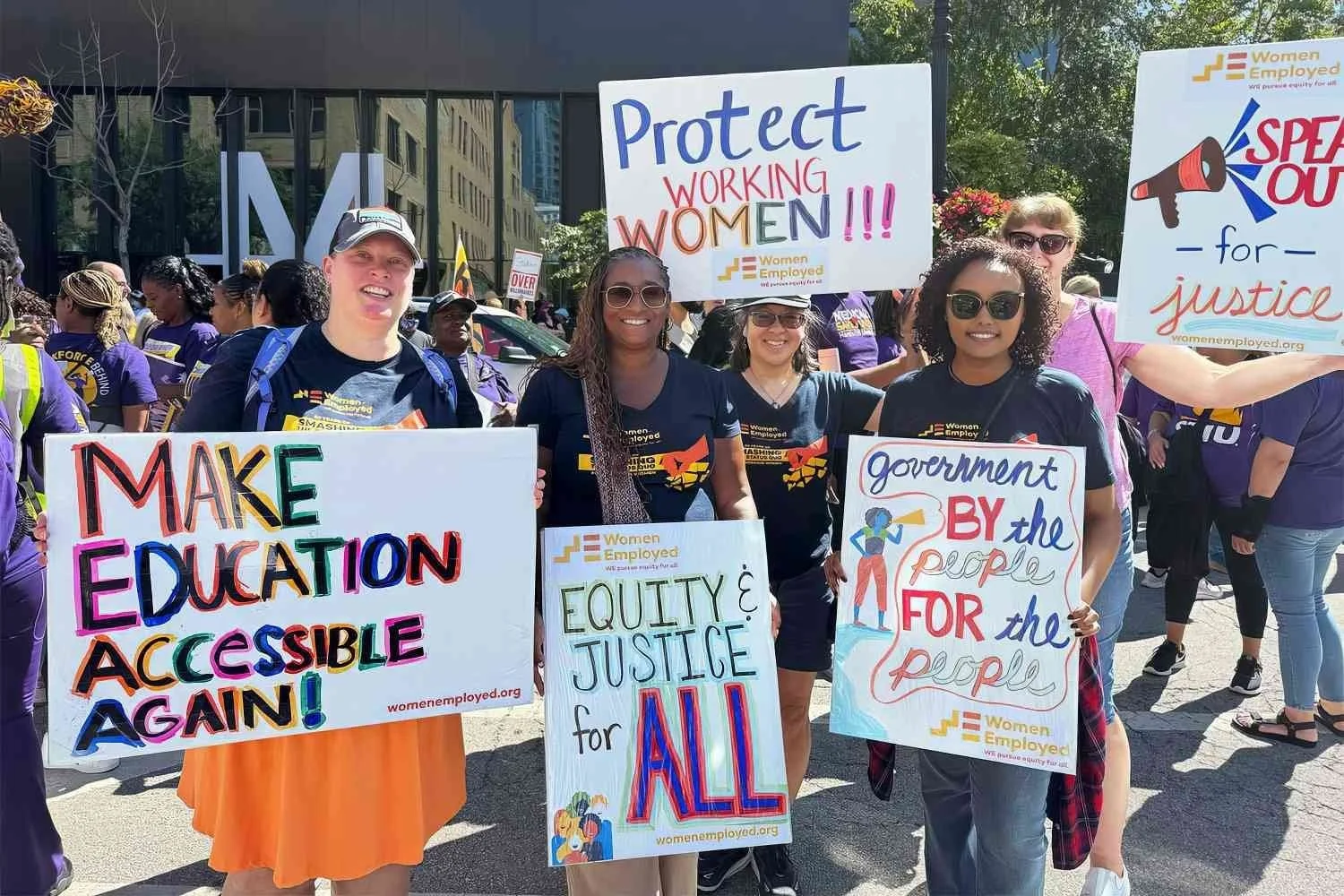
Founded in 1973, Women Employed (WE) advances opportunity and equity for women in the workplace by expanding educational access, pursuing effective policies, and advocating for fair workplaces.
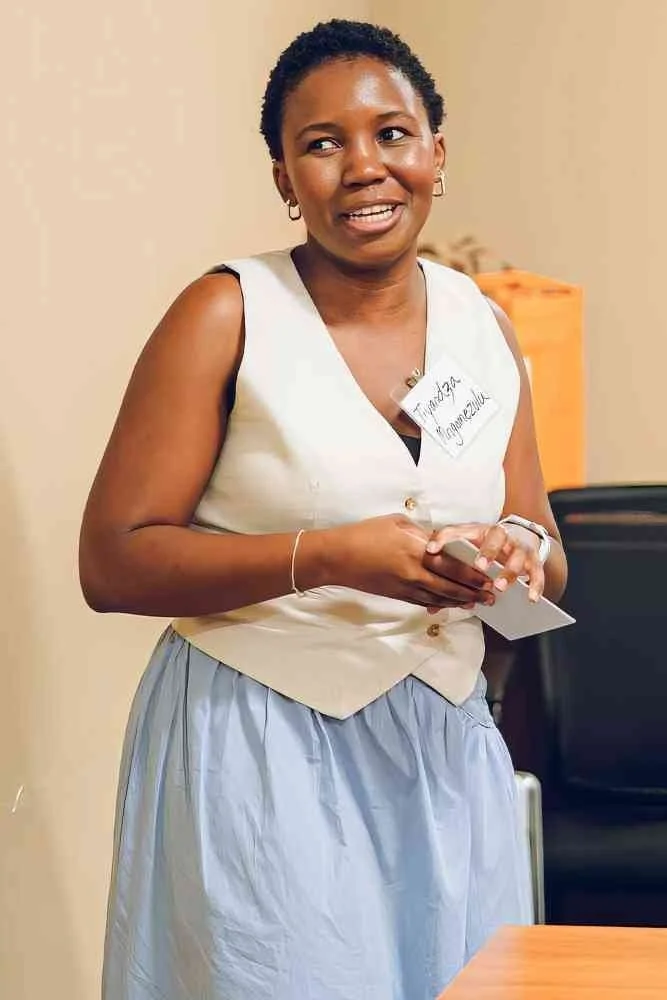
Crucially, WE grounds its work in research and data. “We determine our priorities and our most impactful levers of change through data,” says Tara Driver, Senior Career Pathways Manager, WE. Case in point: WE focuses mostly on Black and Latinx women in underpaid jobs “because it’s proven and well documented that these groups experience the most disparities,” Ellens says. WE looks at both quantitative and qualitative data to determine where such disparities lie—and how best to address them.
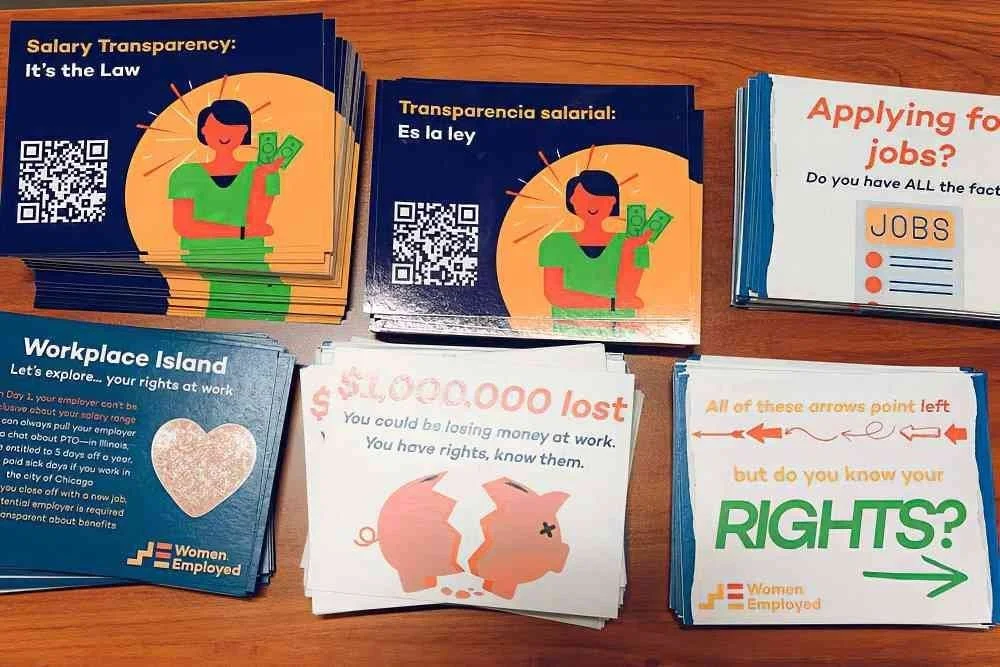
For WE, effective workforce policies alone are not enough; WE also strives to ensure such policies are implemented. For instance, in addition to advocating successfully for Illinois’ equal pay and pay transparency laws, WE surveyed several hundred women workers to gauge their understanding of their equal pay rights in Illinois. After discovering that many women were not aware of their legal rights, or of the resources available to them if their rights were violated, WE developed pay-related educational materials now used by workforce trainers across the state.
With this and other initiatives, WE leverages women’s experiences in their own words to better understand the real-world impact of workforce programs and policies and to identify needed changes. For example, WE recently culled the experiences and insights of domestic violence survivors to recommend policy and practice solutions that meet these women’s economic and employment needs.
As its work on equal pay illustrates, WE serves as an invaluable support to the schools and community-based organizations that educate and train women workers. One critical way WE does this is with its career pathways programs, which consist of daily lesson plans to teach adult learners who do not and often cannot go to college right out of high school the skills needed to create a career and education plan.
As one career pathways initiative, bridge programs help adult and nontraditional students earn their high school equivalency degrees and embark upon careers in specific sectors. With the Fry Foundation’s support, WE over a decade ago created its first sector-based bridge program, for healthcare, in partnership with the City Colleges of Chicago. WE also partnered with the City Colleges to create a career pathways program called Career Foundations, which helps nontraditional students identify the sector where they want to work and learn how to enter it. The Career Foundations curriculum is now in place at schools and other organizations throughout the city.
WE not only helps create and implement such programs but also tracks them over time, so that WE can identify ways to make them better.
For example, by interviewing bridge-program graduates, WE determined they needed more support to earn the credentials and certifications required for entry-level healthcare positions, such as medical and nursing assistants.
WE’s work doesn’t end once women land their first jobs; WE continues to follow and analyze their career journeys. By doing so, WE has found that many women who gain entry-level positions struggle to get any further. “So, we focused on those who are already in the field but who keep hitting the wall and aren’t advancing,” says Christina Warden, Vice President of Policy and Programs, WE. “Our goal was to have them on a pathway that advances their careers and income.” To help these women advance, WE has been researching how women who start in low-paid entry positions in healthcare can expand their skillsets. This research, which involves interviews with over 40 healthcare workers, will inform WE’s development, in partnership with a Chicago hospital, of a pilot project currently underway to help upskill women in low-paid positions so they can get ahead.
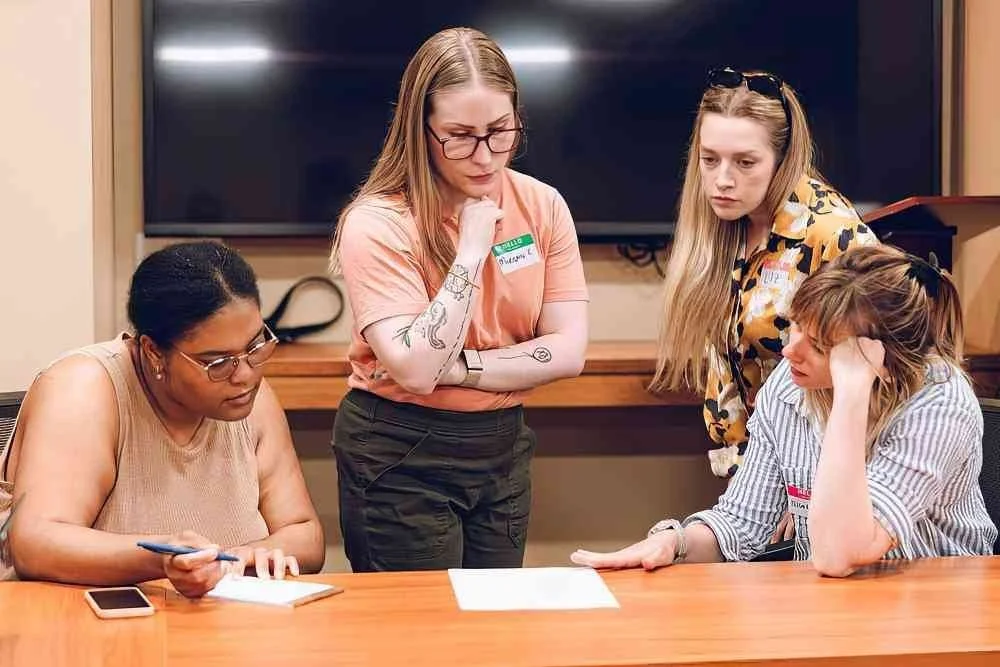
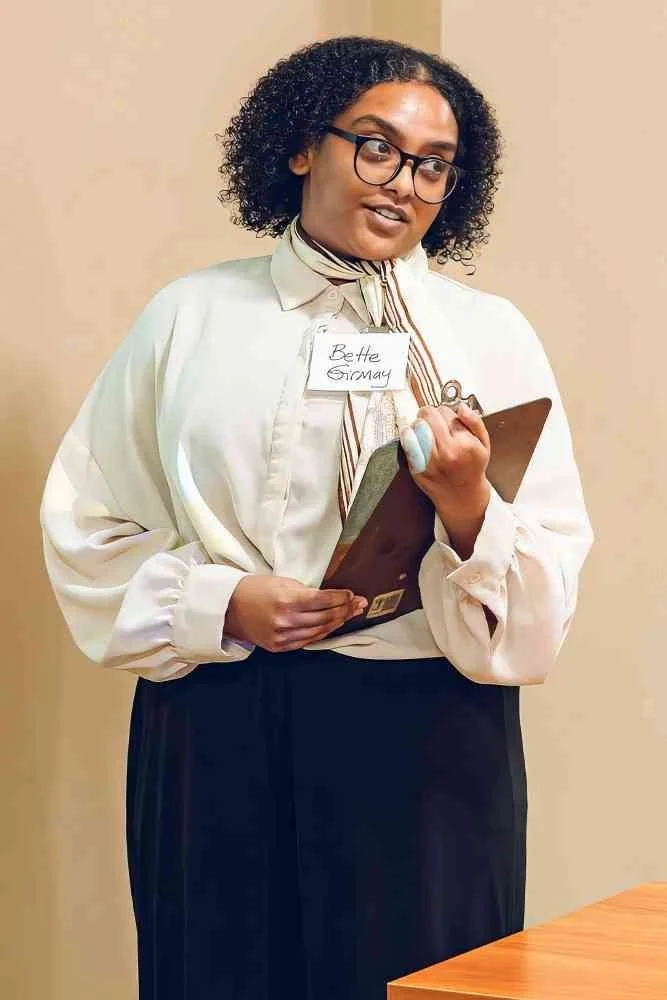
“With our work in healthcare, what’s evolved is our focus on the pipeline of healthcare workers, and it’s data and research that are informing that shift,” Ellens says.
Kelly Smith has seen the benefits firsthand. In early 2024, Smith, an Albany Park resident, enrolled in a Career Foundations program, developed by Women Employed and taught by Erie Neighborhood House, that informed her of career options and job openings aligned with her skills and interests, while also encouraging her to complete her associate’s degree. In mid-2024, Smith began working as a community health worker for Breakthrough Urban Ministries, where she helps individuals experiencing homelessness with their medical needs. “It’s nice to know I’m making a difference and helping people,” Smith says. “Women Employed helped guide me toward a good career path and a brighter future.”
WE’s work has gained added urgency amid recent upheavals in national policy. WE launched a weekly digest on workforce-related policies to help its various constituents, such as workforce development agencies, and their partners stay informed of the latest policy shifts. WE also created a video series that informs women workers about governmental actions affecting their lives and how they can respond. “We have become a lot more visible in our advocacy,” Ellens says of WE’s work during the current administration. “We want to use our voice to make sure legislators understand how working women are being impacted by their decisions.”

2025 Grants and Awards
Education, opportunity, health, and hope for all.
That is the vision behind the Fry Foundation’s grantmaking.
We provide support to nonprofit organizations that have the strength and commitment to improve conditions for low-income, underserved Chicago residents.
Grants are awarded in three major areas:
Arts Learning, Education, and Employment.
Across all of our funding areas, our focus is on helping organizations:
Build capacity to enhance the quality of services and better assess the impact of programs;
Develop successful program innovations that other organizations in the field can learn from or adopt; and
Share knowledge so that information which can help low-income communities and individuals is widely and readily available.
2025 Grants and Awards Totals
| Arts Learning | $1,650,000 |
| Education | $2,185,000 |
| Employment | $1,510,000 |
| Health* | $1,585,000 |
| Special Purposes | $2,103,835 |
| World Relief | $300,000 |
| Total | $9,333,835 |
*At their board meeting on November 14, 2023, the Lloyd A. Fry Foundation’s Board of Directors made the decision to phase out funding in its Health program area. The total listed here and the Health grants listed below represent the final Health payments.
For FY2025, $725,000 of the grant award total supported convening and collaborations in the Education, Employment, Health and Special Purposes Programs.